
From inspection to wrench time
Agentic AI for Maintenance, Repair, and Operations
Not a CMMS replacement. A governed work layer on top of the systems you already run.
- Layers on your existing CMMS
- Answers cite the source manual
- No migration, no parallel database
- Every action attributed
- Model and data agnostic
- Cloud, on-premises, or air-gapped
- Doesn't train on your data
Why Legion
Legion works across the maintenance, ERP, and document systems a sustainment organization already runs, and writes approved changes back to the system of record. No migration, no parallel database, and no new system for technicians to learn. Your data stays in your environment. Models never train on it.
Integrate With the Systems You Use Every Day





What Legion Delivers for Maintenance
25%
Increase in Technician Capacity
Technicians reached the right procedure without walking back to the shop or waiting on a senior tech.
20%
Unwanted Overtime Prevented
Assignments built around craft, certification, and availability kept jobs inside the shift window.
“
The team spends hours turning inspection reports into Maximo and that delays work orders"
– Operations Administrator
Maintenance request intake deployment, IBM Maximo

Where Legion Is Applied Across MRO
Facilities maintenance
Built For
Facility and installation maintenance teams. Called civil engineering, or CE, inside the Air Force.
What Legion Does
- Answers procedure questions from your own manuals
- Matches jobs to qualified and available technicians
- Names the parts a job is likely to need
- Drafts work orders for supervisor approval

AVIATION MAINTENANCE
Built For
Maintenance control and back shop teams working fleet readiness.
What Legion Does
- Pulls maintenance history, parts status, and fleet priorities into one picture when the plan changes
- Builds the recovery plan: which aircraft to work, where scarce parts go, when cannibalization makes sense
- Recommends the actions most likely to get more aircraft mission ready
- Puts it in front of the people who make the call

ORGANIC SUSTAINMENT
Built For
Government-owned depots and arsenals, where a large share of defense maintenance is performed in house.
WHAT LEGION DOES
- Connects to the systems each site already runs
- Works with a site's own version of the process rather than requiring it to match anyone else
- Deploys inside the accreditation boundary a site already holds
How the Work Gets Done

Less Time Reconciling Systems, More Time on the Floor
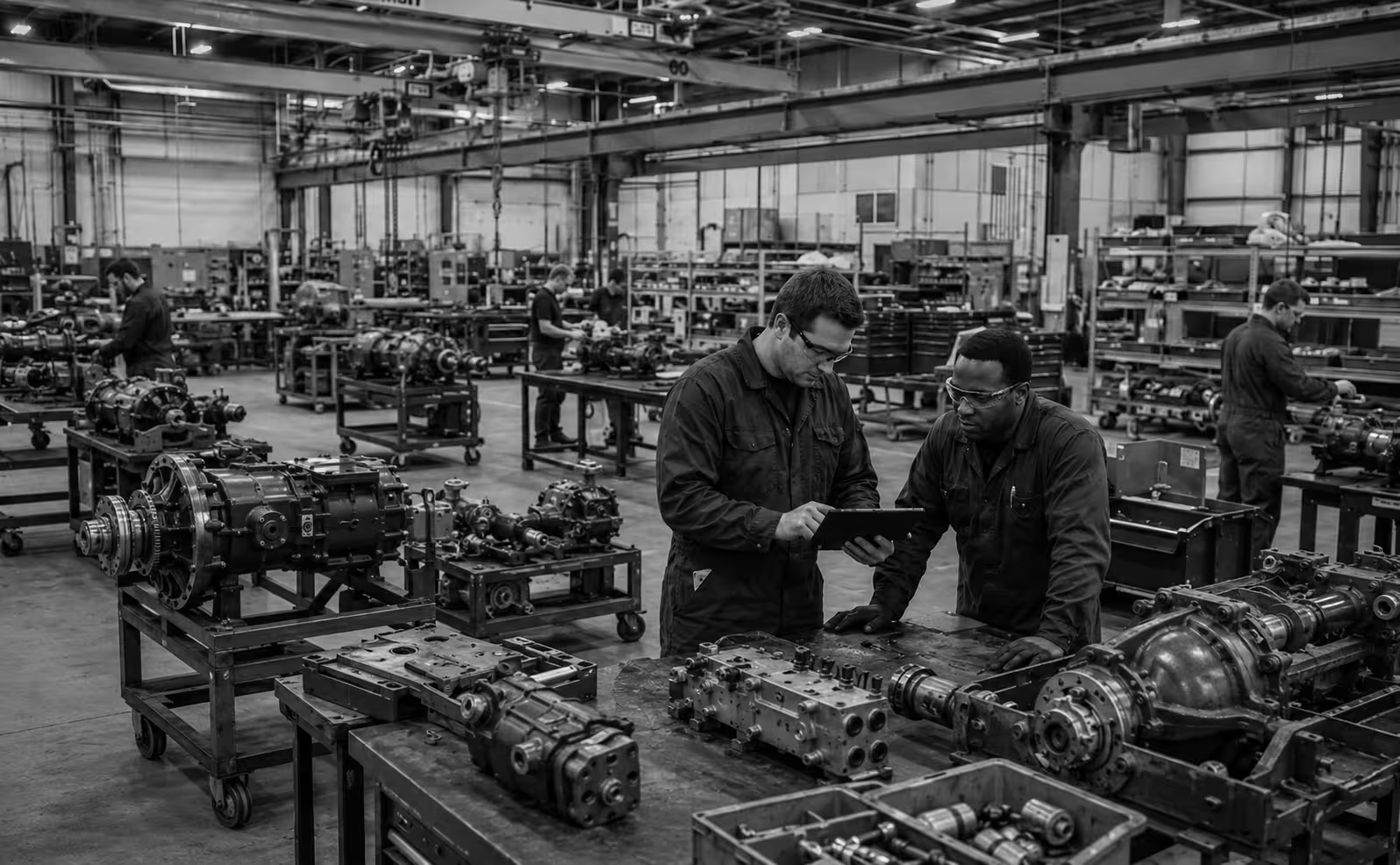
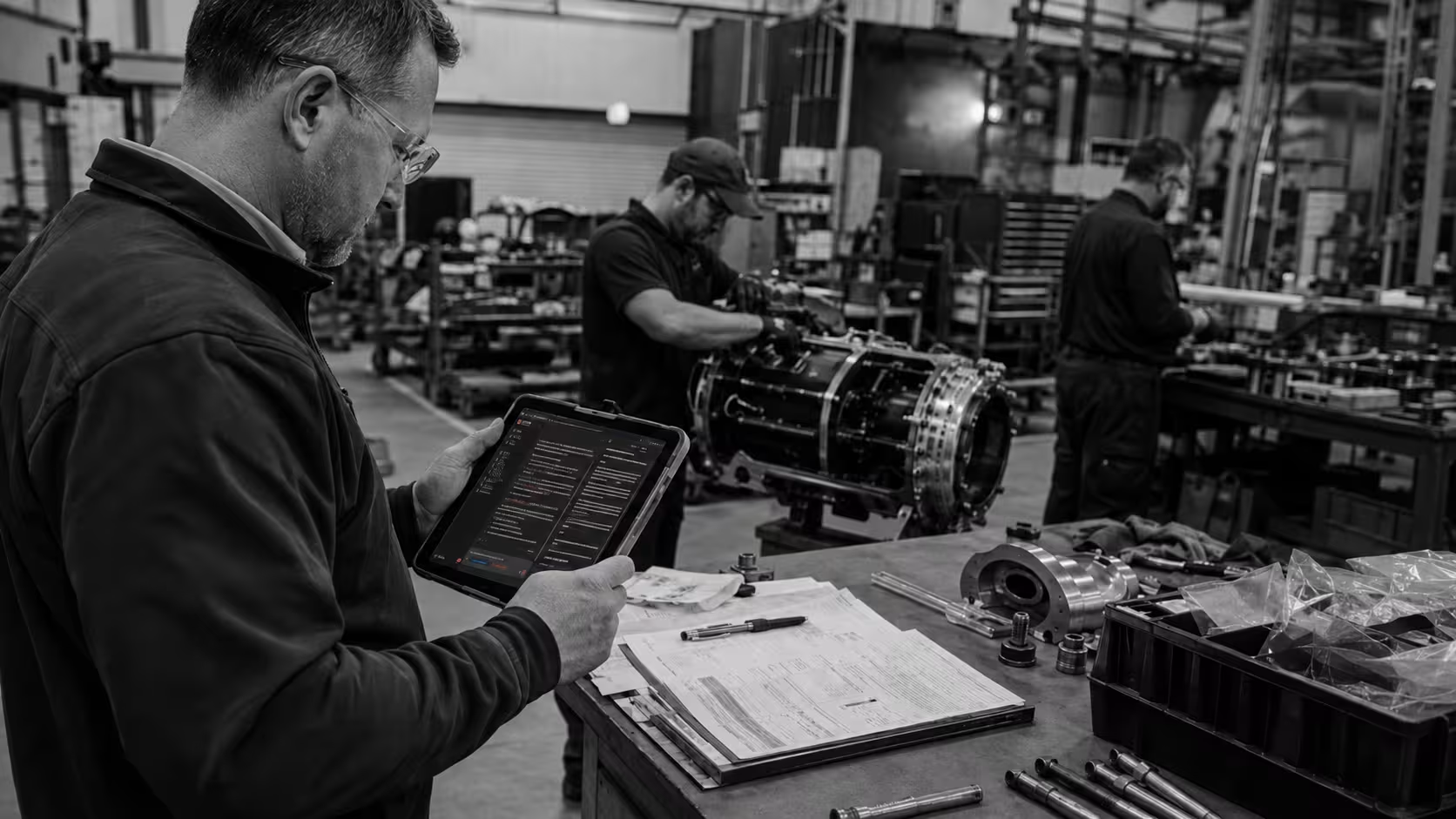
The work order lives in the CMMS. The procedure sits in a document library, the certification in a labor system, the part in an inventory record never tied to this job. A supervisor connects them by hand while the clock runs. Agents do the reconciling, so the hours go back to oversight and safety.

Answers Come From Your Own Manuals, With the Source Cited
A technician asks a question in plain language and gets the procedure back with the document it came from. No hunting across SharePoint, no call to the one person who remembers how the unit was wired, no walk back to the shop to look it up.
Jobs Reach Technicians Who Are Qualified and Available
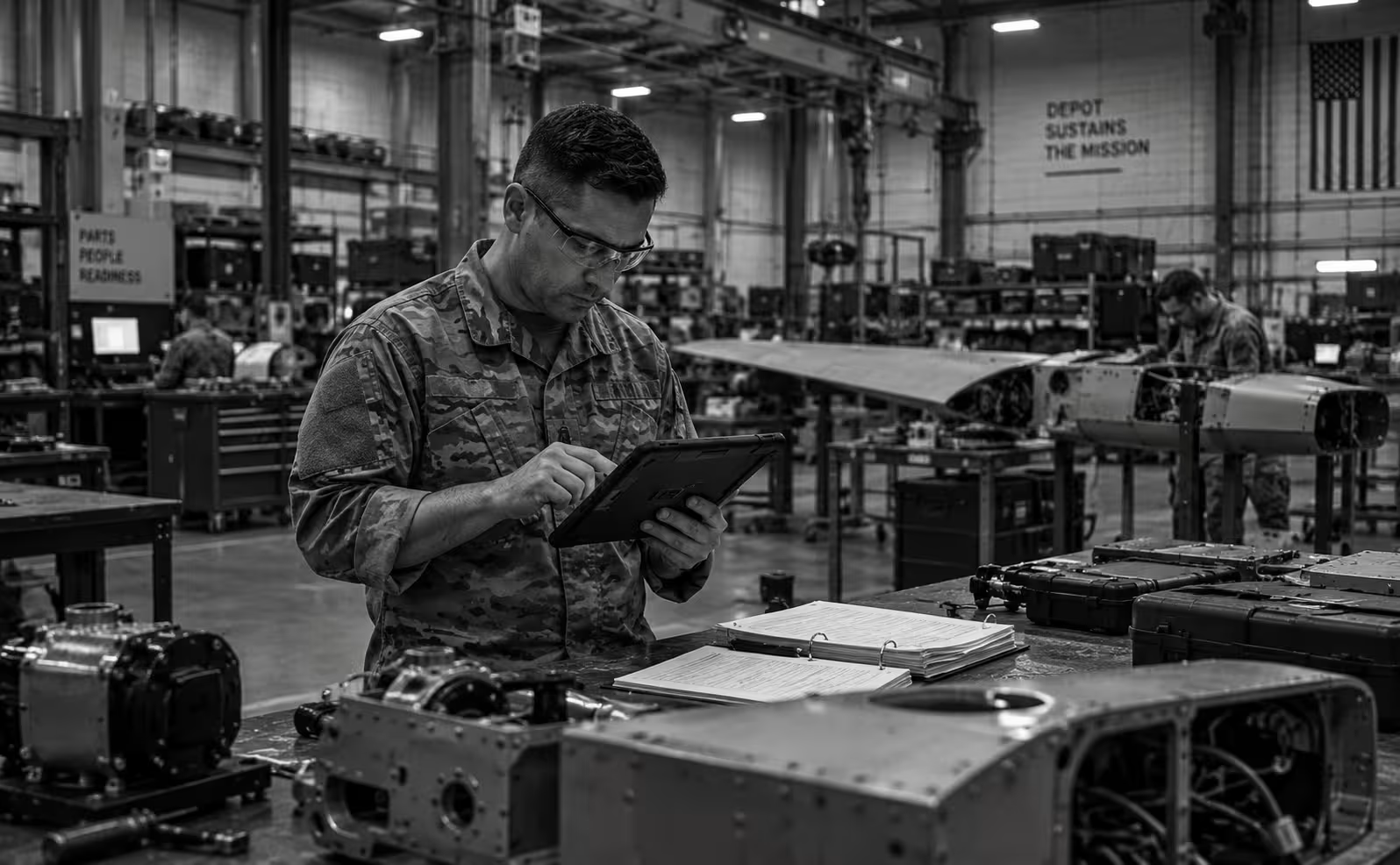
Work is matched against who holds the craft and certification, who is on shift, where the asset sits, and how long the job takes. The supervisor reviews and approves the assignment before it goes out.

Fewer Return Trips for Missing Parts
Work order history for the asset is analyzed to identify the likely failure mode and name the parts to bring on the first trip. A reactive job that would have taken two trips takes one.
Every Note Files the Same Way
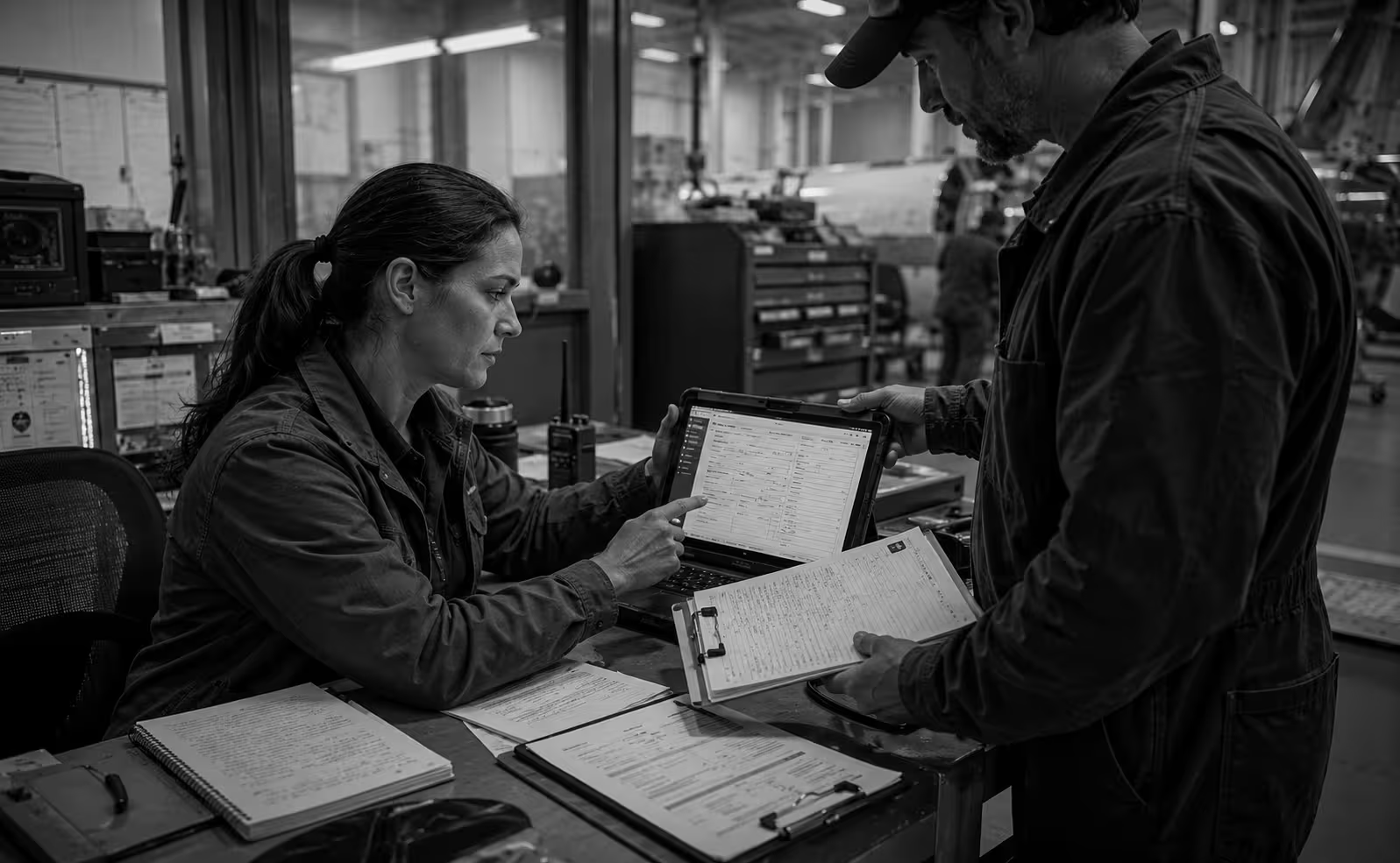
Inspection write-ups, handoff notes, and narrated closeouts are read and turned into complete records, with the same fields filled the same way however the note was written. A supervisor reviews the draft and approves it.
What Does Agentic AI Do Inside a Maintenance Operation?
Legion works against the permissions and approval rules your organization already enforces, and every source, agent action, approval, and human decision stays attached to the work it produced.
Capability | What Legion Does |
|---|---|
Procedure access | Answers cited to the manual they came from. |
Work order creation | Notes and findings drafted into complete records for approval. |
Labor and scheduling | Jobs matched to craft, certification, shift, and location. |
Parts and kitting | Failure history read to name what a job is likely to need. |
Readiness decisions | Competing priorities assembled into one recommended plan. |
Maintenance record | Every output carries its sources and its approver. |
Built for the People Who Answer for Availability
For the program managers who answer for the contract, and the supervisors and technicians who carry out the work.
- Unwanted overtime is a margin line on a fixed-price sustainment contract, and margin shows up in past performance at recompete.
- Fewer return trips for missing parts, so a job that should take an hour does not take a day.
- Every work order carries what it was built from and who approved it, so the record exists when the customer audits months later.

BUILT FOR THE SYSTEM OF RECORD
Work You Can Account For

Scoped to What You Allow
Your team provisions the service account and scopes the fields agents can write to. Everything else Legion connects to stays read-only.

Your System of Record Stays the System of Record
Legion reads from your CMMS and writes approved changes back through its own APIs and permissions. The record your customer audits never moves.

Attribution on Every Action
The record shows what an output was built from, who requested it, and who approved it, long after everyone involved has moved on.
Where Legion Runs
Legion runs from unclassified to IL6, including fully disconnected deployments with no cloud reach-back. Your data stays in your environment. Models never train on it.

.avif)

Put Agents to Work on the CMMS You Already Run
Sign up for a demo with our sales team to see how Legion runs against your own Maximo instance.
Reach Out