
Mission Builder is part of the Legion platform. What you build deploys wherever Legion deploys: enterprise cloud, on-premises and air-gapped environments, classified networks including SIPR, and Centurion by Legion Intelligence at the disconnected edge. Each deployment is subject to the authorization approved for that environment.


How does Legion Mission Builder work?
You describe the work. Mission Builder assembles it from parts that were governed before anyone picked them up, and shows you every step before anything runs. A builder composes from the parts they are cleared for. They cannot grant themselves new access.
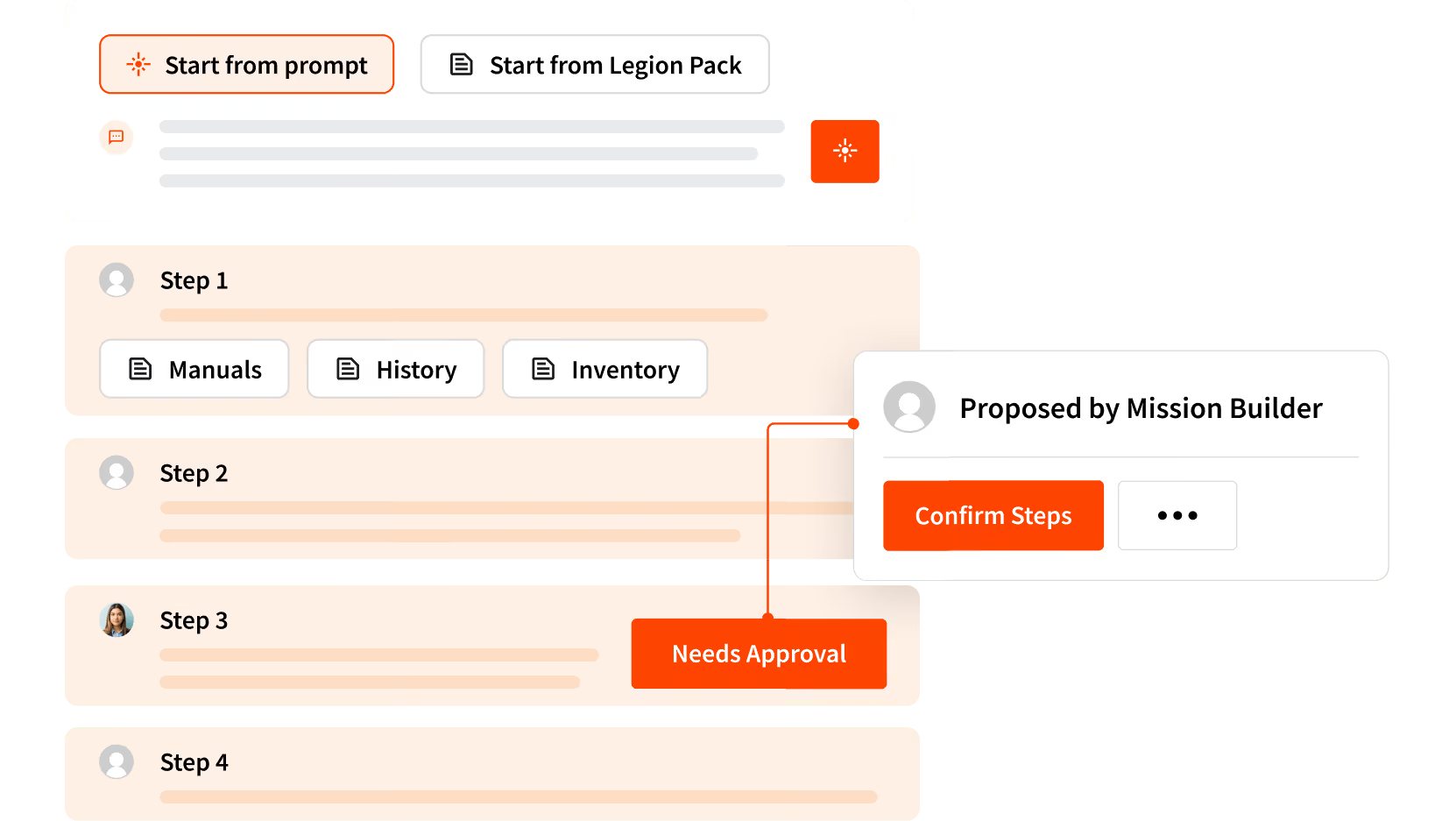
Start from the work, not a blank page
Describe the workflow in plain language, or start from the Legion Pack closest to your work. Mission Builder proposes the steps, and you confirm them before anything runs. What it proposes is a working application, not a mockup you hand to someone else to build.
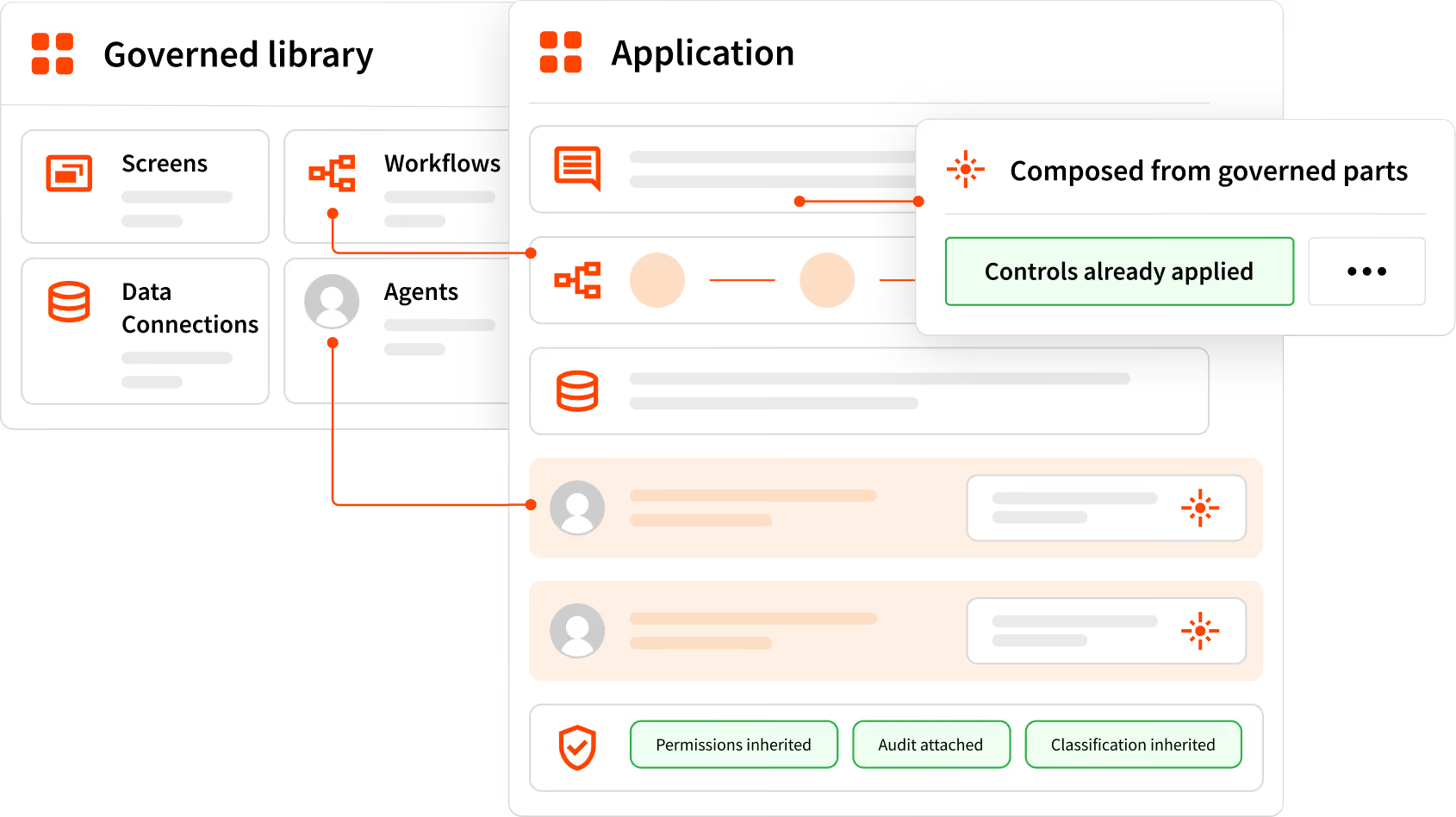
Composed from governed parts
Screens, workflows, data connections, and agents come from a governed library. Every part carries the platform's permissions, classification handling, and audit before assembly, so there is nothing to harden after the fact.
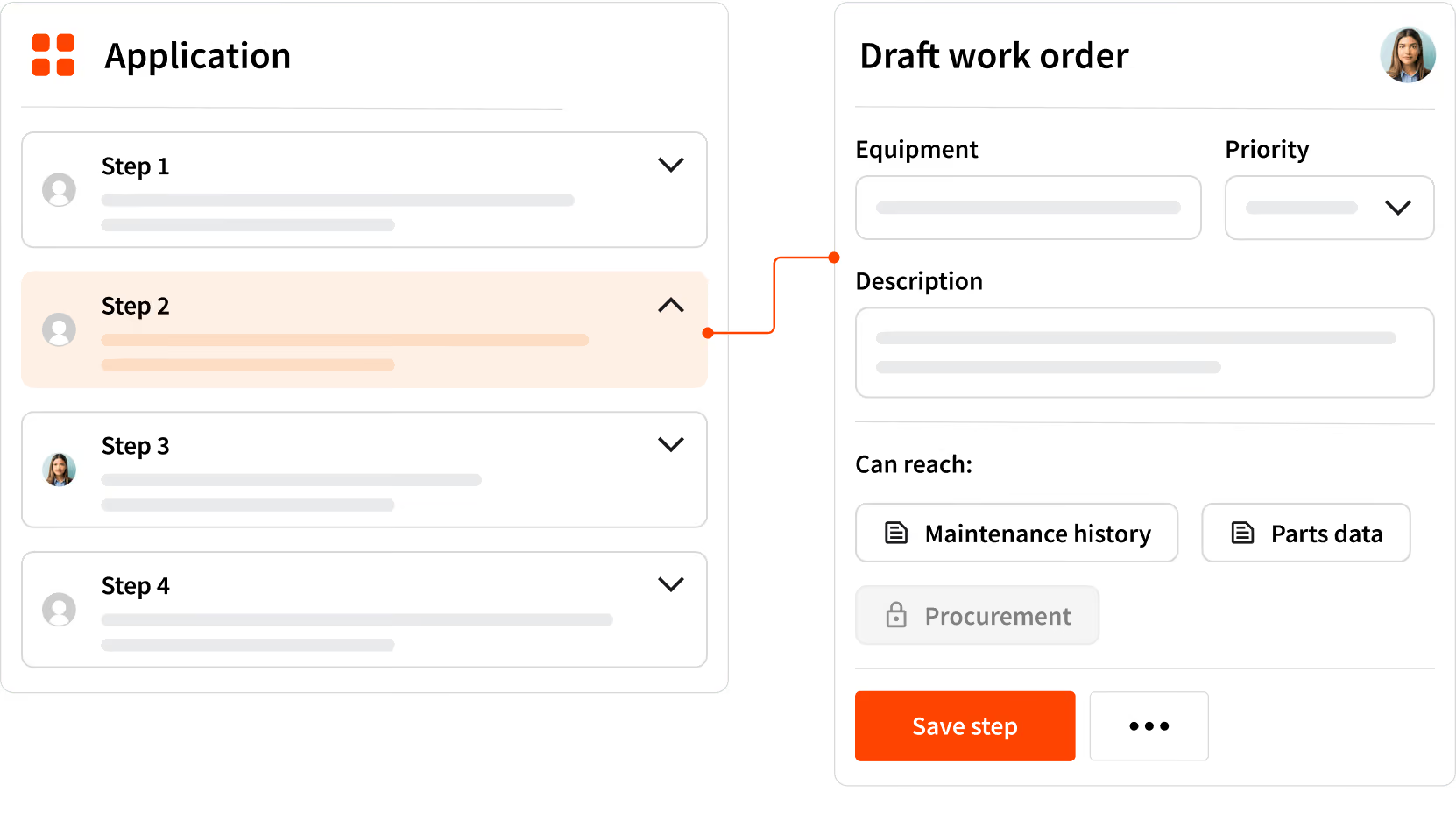
Open a step and set it precisely
When a step needs precision, open it. Adjust the fields, reorder the steps, and confirm what each one is allowed to reach before it runs. Every view edits the same application, so refining never means rebuilding.
How do teams use Mission Builder?
Mission Builder fits work that repeats on a cycle, draws on data in more than one system, and changes faster than a development queue can follow.
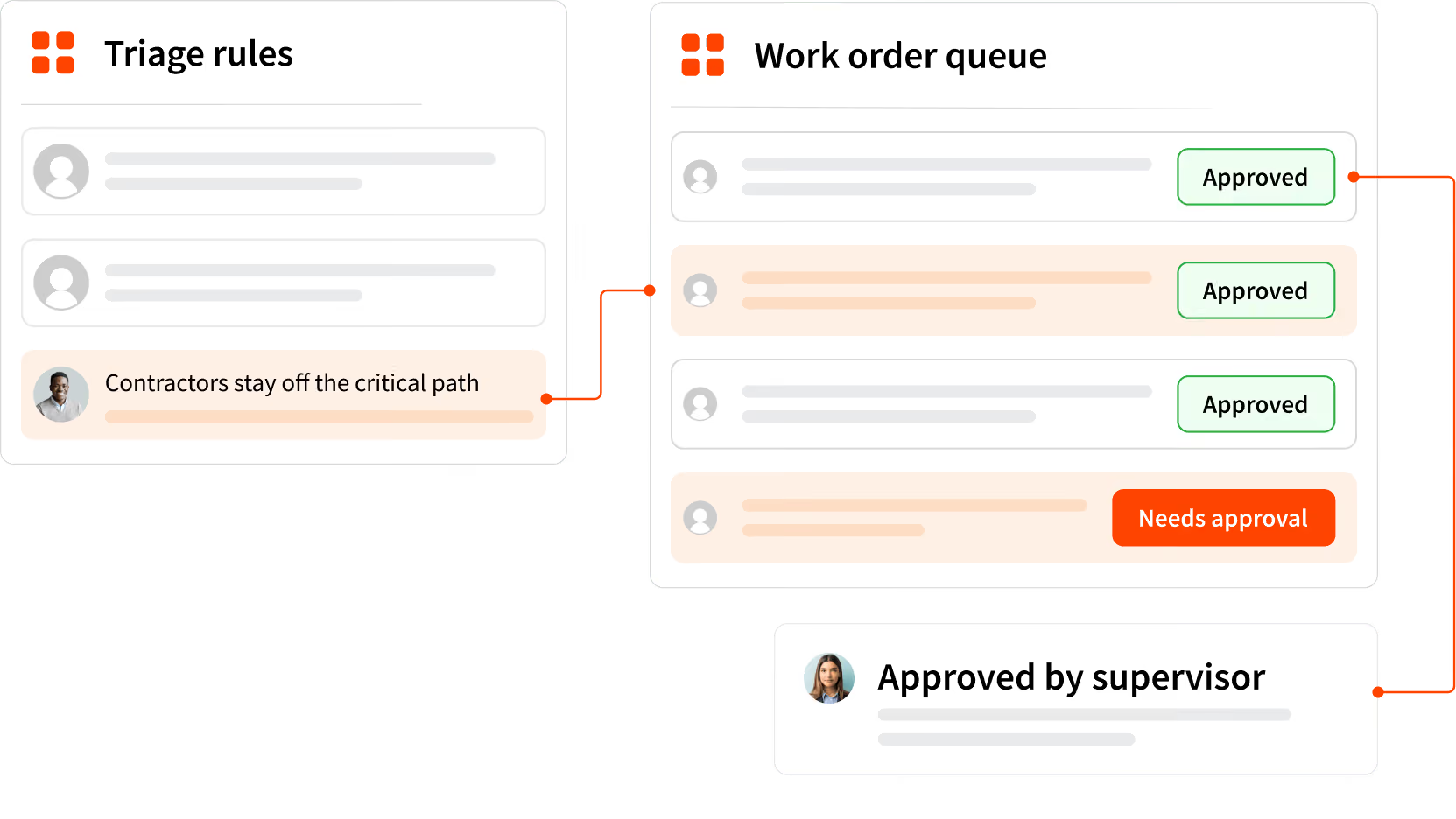
The shop lead tunes the triage
A maintenance lead shapes triage rules in plain language, including one that keeps contractors off the critical path. Agents draft work orders from the manuals, history, and inventory data they have been given access to, and the supervisor approves before the truck rolls.
What comes out: a work order queue the shop trusts, approved by the supervisor.
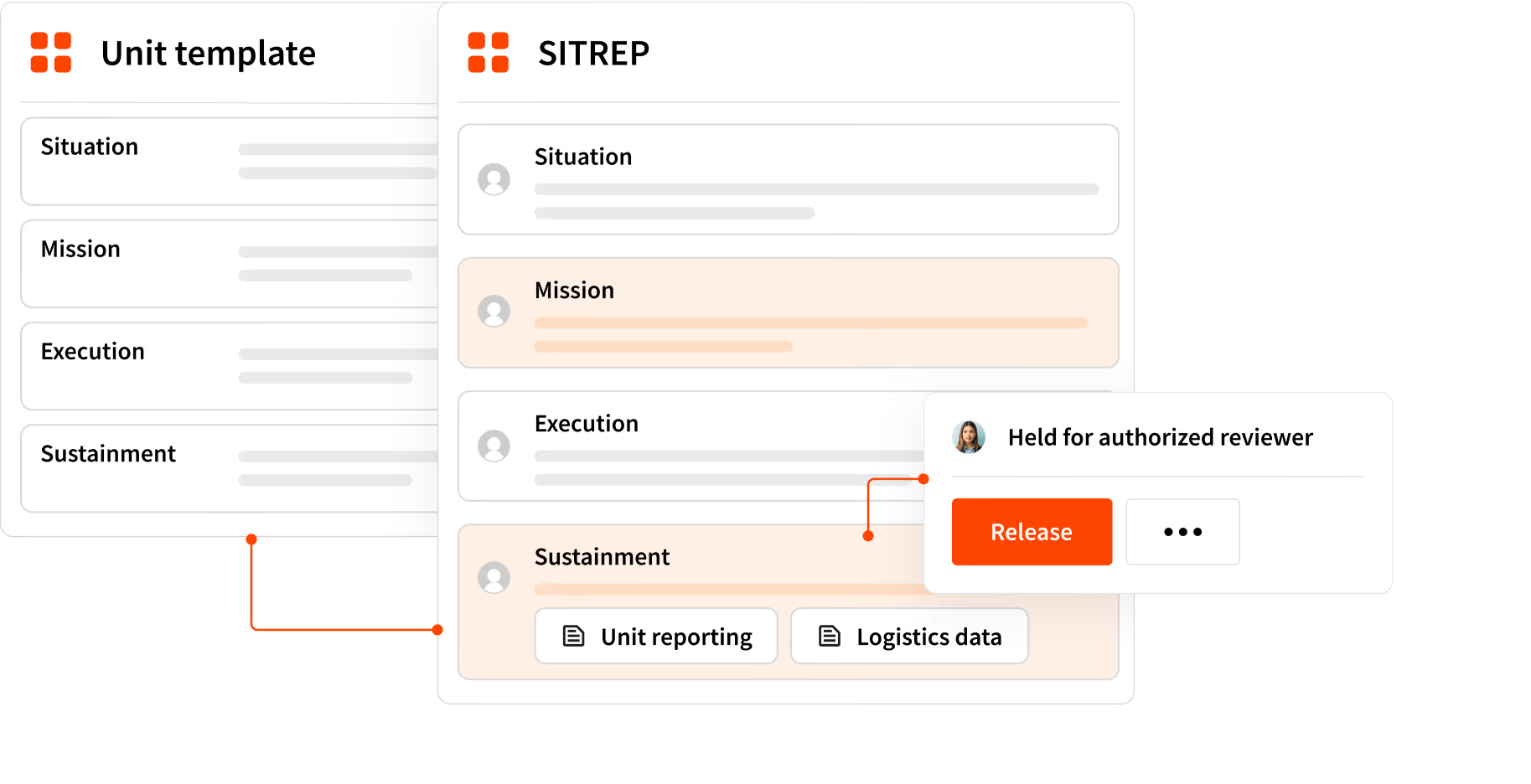
The unit's report, built by the unit
An operations officer builds the SITREP the staff owes, without waiting in the development queue. Agents assemble inputs from the systems they have been given access to, the writing follows the unit's own template, and release waits for the authorized reviewer.
What comes out: the SITREP, in the unit's format, on time every cycle.
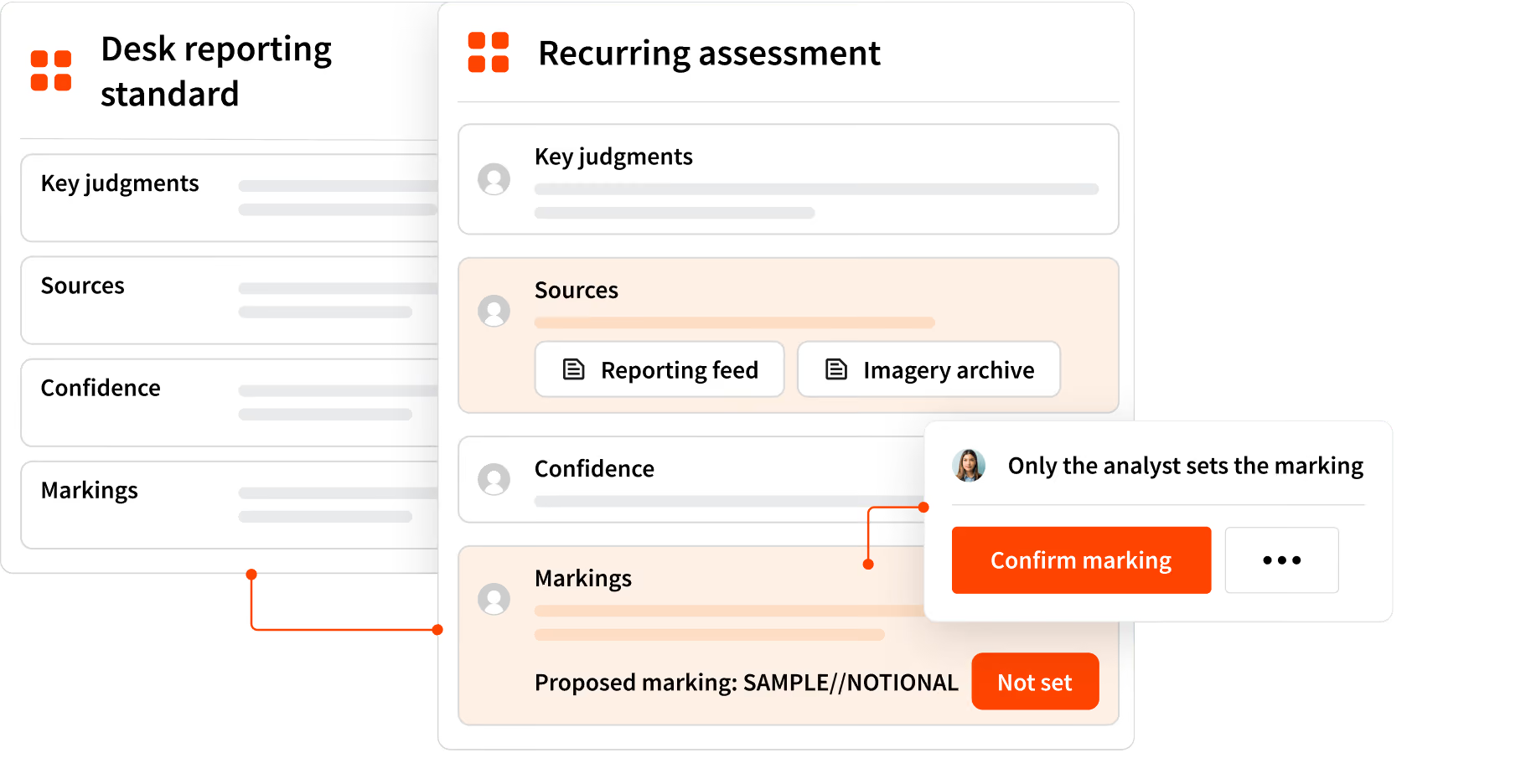
The analyst's recurring assessment
An intelligence analyst builds the recurring assessment the desk owes, shaped to its own reporting standard. Agents assemble source material from the systems they have been given access to and can propose a classification marking. They never set one.
What comes out: a finished assessment with its sources and its markings attached.

What makes Legion Mission Builder different?
Operators shape the application. Your administrators keep authority over permissions, classification handling, and the approvals each step requires.

Governance is inherited, not added
Identity, access, classification handling, and audit come with the parts. The finished application enforces them from its first run, and every agent action in it is attributed.

Inside the accredited boundary
Applications run within the Legion platform deployment already authorized for your environment. Building a new one does not start a new platform program.

Your models, your environment
Legion is model-independent. Your organization chooses which models run in your environment and changes them without rebuilding the applications already in use.

See Mission Builder in your environment.
Bring one workflow your team runs today. We will walk through how it gets built from governed parts, and what review looks like before it goes into use.
Reach OutMore About Legion Mission Builder
What is Legion Mission Builder?
Mission Builder is the application builder in the Legion Intelligence platform. Teams describe a workflow in plain language, and Mission Builder composes a working application from governed parts, with the platform's permissions, classification handling, and audit already attached.
Do I need developers to use it?
No. Plain language is the starting point, and the people who own the work build and adjust their own applications, with no services tail. When a team wants more control, Mission Builder exposes more precise ways to shape the application, so operators and engineers work on the same build rather than in separate tools.
What can I build with Mission Builder?
Applications assembled from screens, workflows, data connections, and agents: triage queues, recurring reports and other templated writing, review and approval flows, and role-specific tools. Legion Packs are built from the same parts, so teams often start from the Pack closest to their work and shape it.
Does what I build need its own authorization?
Applications built with Mission Builder run inside the Legion platform deployment in your environment and operate under the authorization and access controls approved for that environment. Building an application does not create a new platform to accredit.
Does building an application grant new access?
No. An application built with Mission Builder operates under the permissions your administrators already defined, and it reaches only the systems the builder is authorized to reach. Agent actions inside it are attributed, and the steps you gate wait for an authorized reviewer.
How does Mission Builder relate to Legion Packs?
Packs are role-ready applications built on the same foundation. Mission Builder is how a Pack gets shaped to your organization and reshaped as the mission changes. Integrators build in the same environment under the same governance, so a capability a partner delivers is one your team can extend without going back to them.
Does Mission Builder work in air-gapped and disconnected environments?
Yes. What you build deploys wherever Legion deploys: enterprise cloud, on-premises and air-gapped environments, classified networks including SIPR, and Centurion at the disconnected edge. Each deployment runs under the authorization approved for that environment.