Turn AI pilots into research infrastructure
Agentic AI for Science
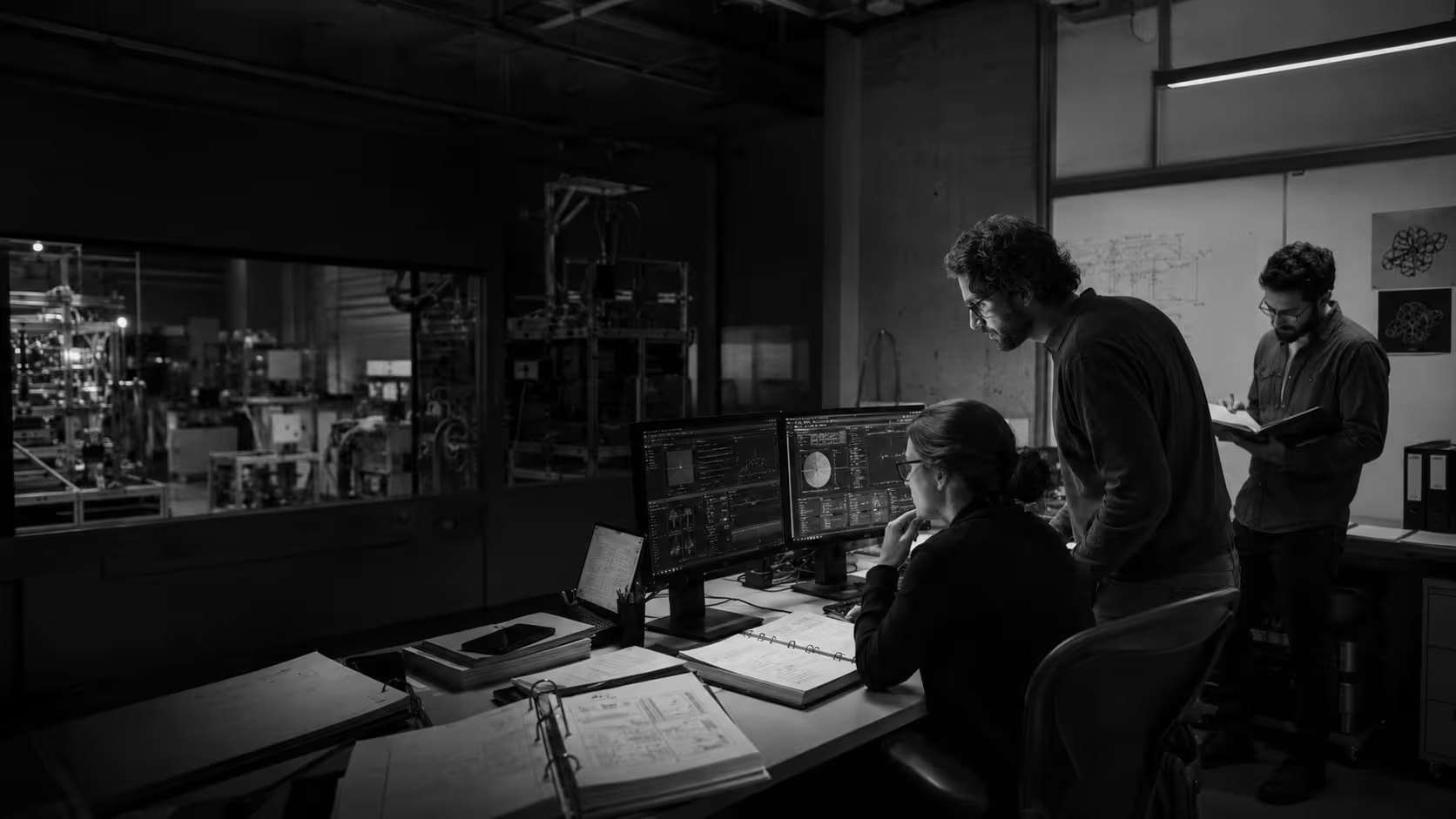
Legion Intelligence puts AI agents to work for national laboratories. They run across research and laboratory operations, cite sources the institution can check, and keep people in command of what comes next.
- In production at DOE national labs
- Cloud to air-gapped and classified
- Doesn't train on your data

U.S. Department of Energy national laboratories use Legion for research discovery and analytical code validation, under governed control of their CUI and sensitive proprietary data.
Doubling the productivity of American science is federal policy
The Genesis Mission puts more than $5 billion behind that goal and reaches all seventeen national laboratories. Laboratories across the complex are now working under an AI mandate, and most have a pilot to show for it. Far fewer have infrastructure. What turns one into the other is whether the tenth run behaves like the first, and whether a reviewer can see why.

What Legion Delivers for Science & Research
Every capability on this page runs on the same system. Each one inherits the permissions, approval gates, and audit record that the one put in place, so each application a laboratory approves makes the next one faster to approve.
12x
Faster Source Verification
At a U.S. Department of Energy national laboratory, source verification dropped from roughly two hours to about ten minutes, with citations researchers can check.
Source: Case study
95%
Less Development Time
At a U.S. Department of Energy national laboratory, development time for analytical code that tests research findings fell 95%, with the reasoning behind each method left visible for review.
Source: Case study
“
The key is having quickly verified sources, citations, and details that you can trust. Once you identify a useful paper, the ability to extract relevant information allows research activities to exponentially increase throughput."
– Research Scientist
U.S. Department of Energy

What Does Agentic AI for Science Do Inside a Laboratory?
Legion works against the permissions and approval rules your institution already enforces, and every source, agent action, approval, and human decision stays attached to the work it produced, so AI provenance and AI auditability hold across every workflow below.
Capability | What Legion Does |
|---|---|
Institutional knowledge | Cited answers for a 10,000-person laboratory community. |
Research discovery | Real, checkable papers from the repositories a team trusts. |
Research validation | From hypothesis to documented code in half a day. |
Hazardous work planning | Plans drafted against 10,000 pages of safety documentation. |
Templated writing | Institutional documents drafted, routed, and signed in one workflow. |
Laboratory cyber defense | Every investigation opens with the assessment assembled. |
Cross-institution collaboration | One shared workspace over a 500,000-record corpus, every institution keeps authority. |
Collaborate Without Surrendering Control
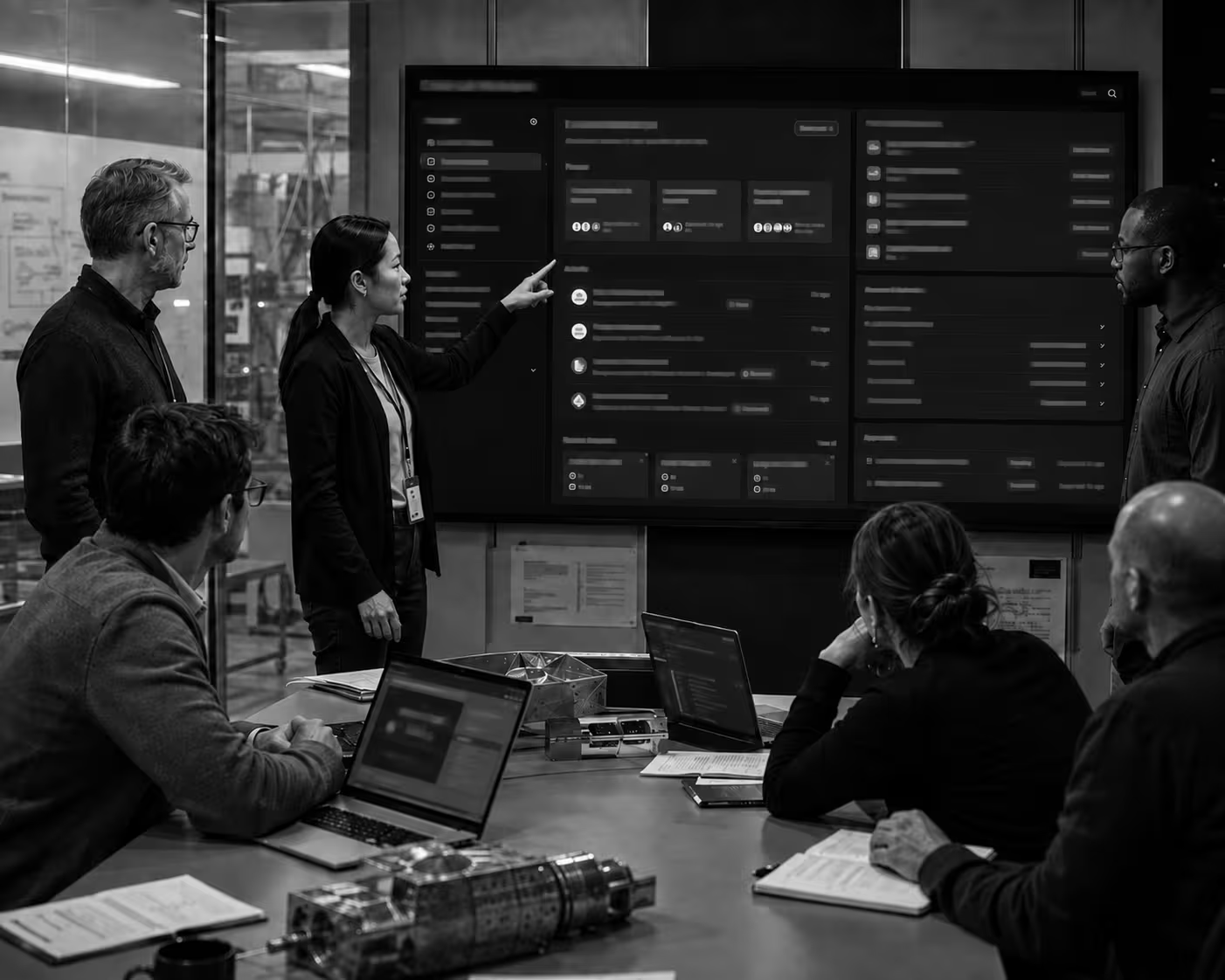
Programs that span national laboratories, federally funded research centers, and university-affiliated centers put researchers on shared evidence without putting any institution's data under another's control.
This is how DARPA's Quantum Benchmarking Initiative runs today, one workspace over a corpus of more than 500,000 papers, across the institutions evaluating the technologies that could reach utility-scale quantum computing.
Work Planning That Protects People
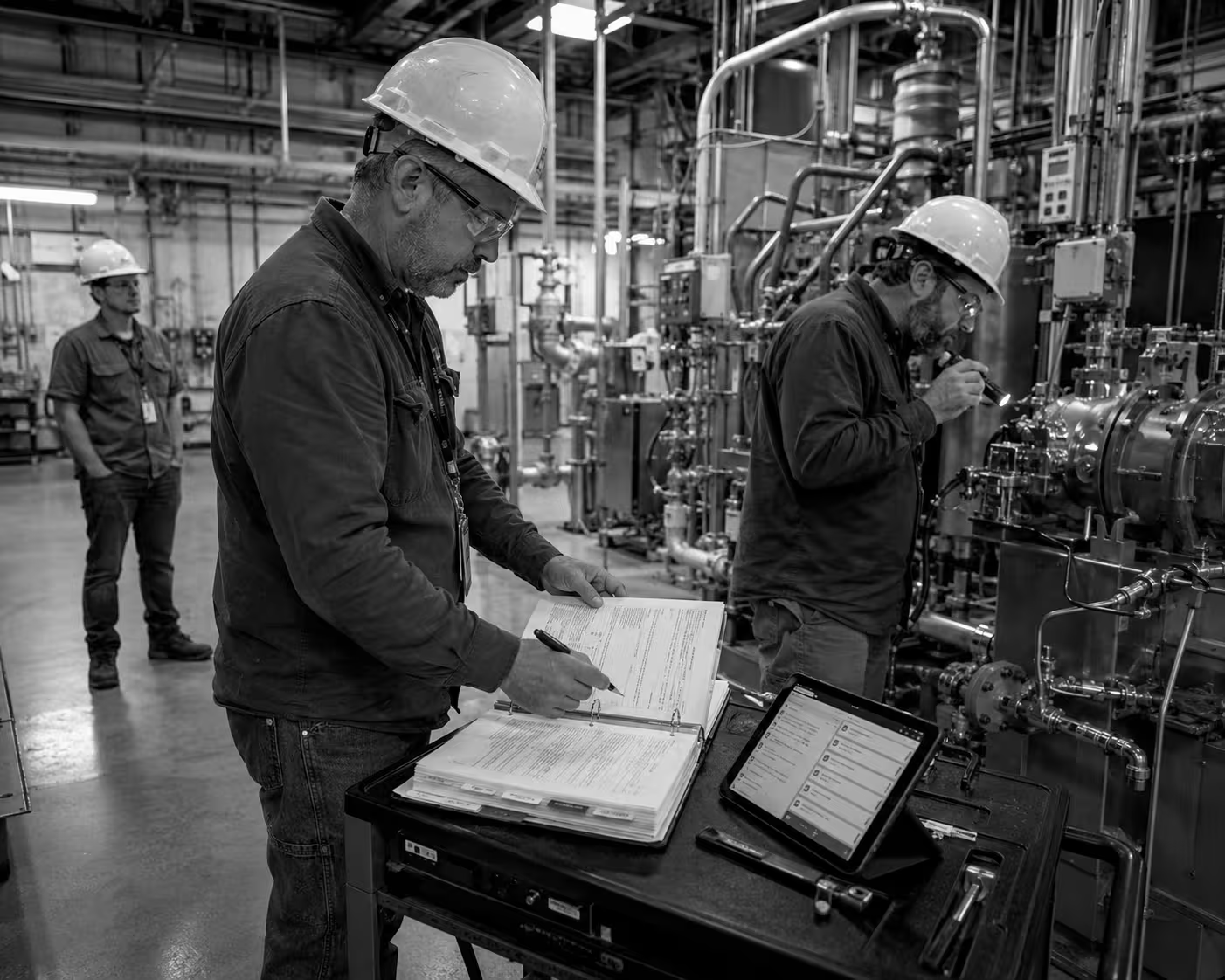
At a research facility, routine work can sit next to something hazardous, so the question is never just how to do the job but who has to agree first. Plans are drafted against the authoritative safety documentation, gaps are flagged, and each section routes to the expert with authority to approve it. The approved plan is retained as the record.

The Writing That Runs a Laboratory
Program management plans, policies, safety documentation, statements of work, and grant reviews follow patterns. Legion drafts each against the approved template and authoritative references, routes it through a configurable approval chain, and retains the signed record.
The Buildings Behind the Science
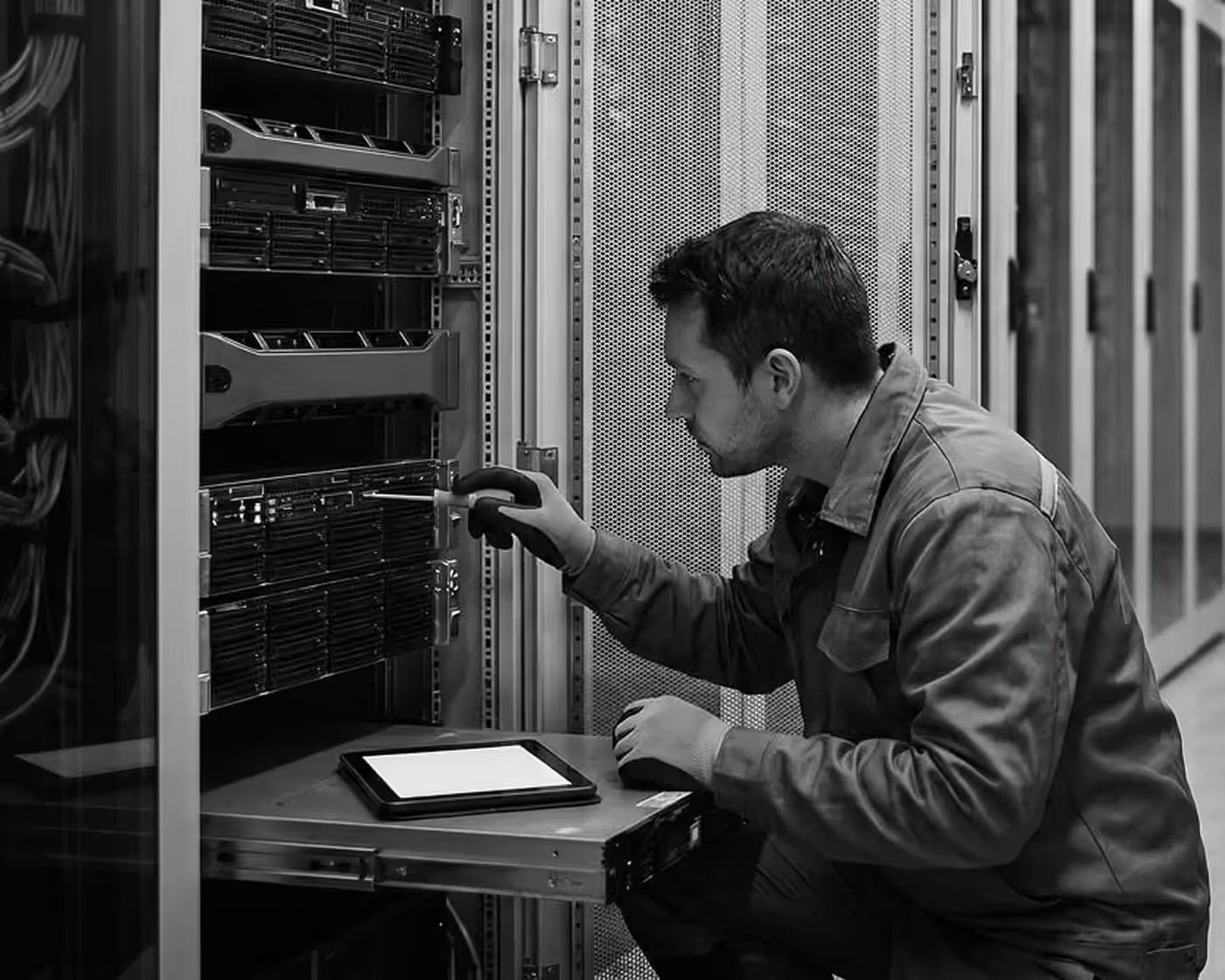
Legion is moving into laboratory operations, guiding work orders, connecting maintenance history to institutional knowledge, and giving facilities leaders a live view of measures like first-time fix rate, so the buildings behind the science run as well as the science itself.
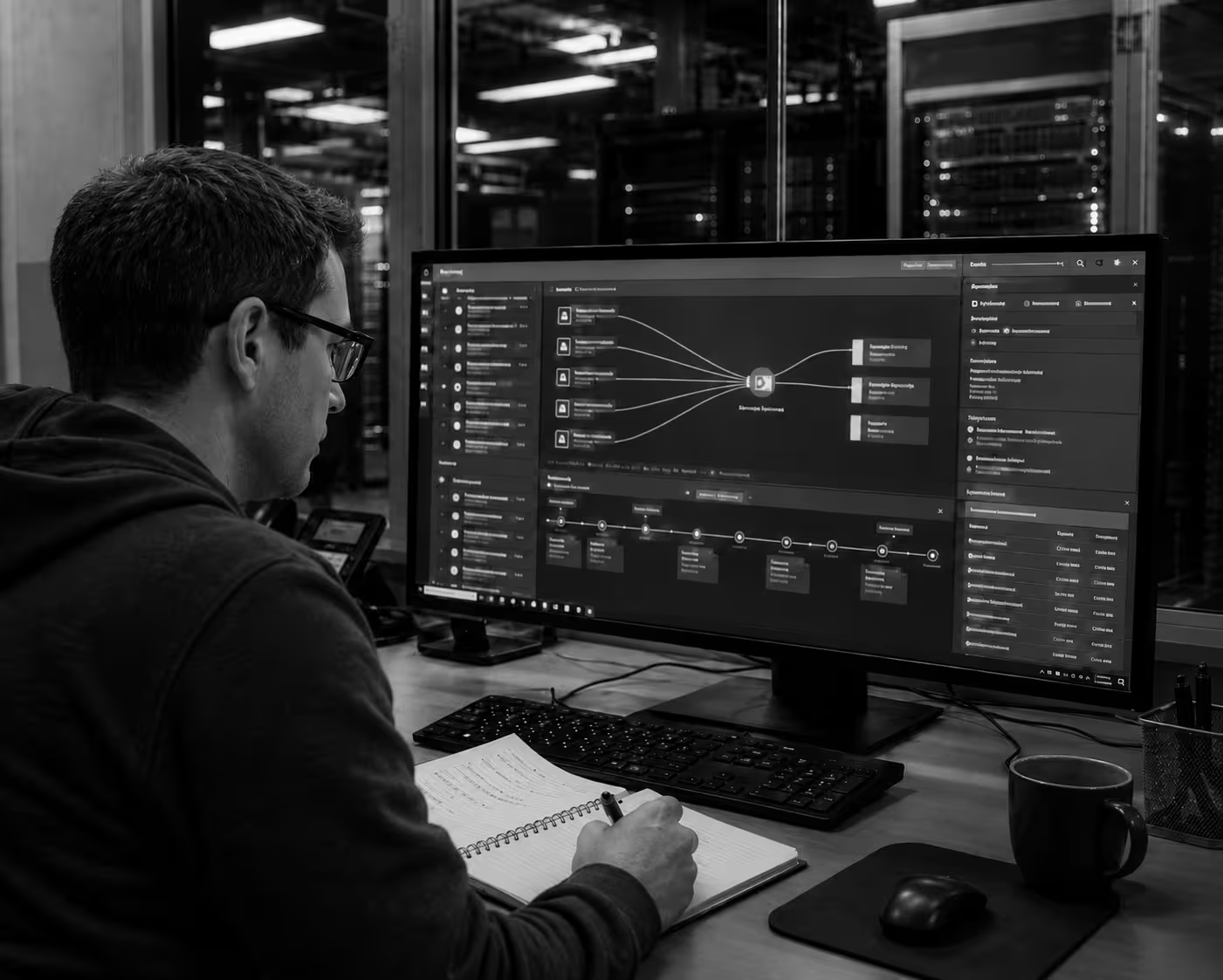
Cyber Triage Under Analyst Control
Signals from the tools a laboratory already runs arrive as one assembled assessment inside the existing case workflow, so a small team opens every investigation with the correlation complete. The agent gathers. The analyst decides.
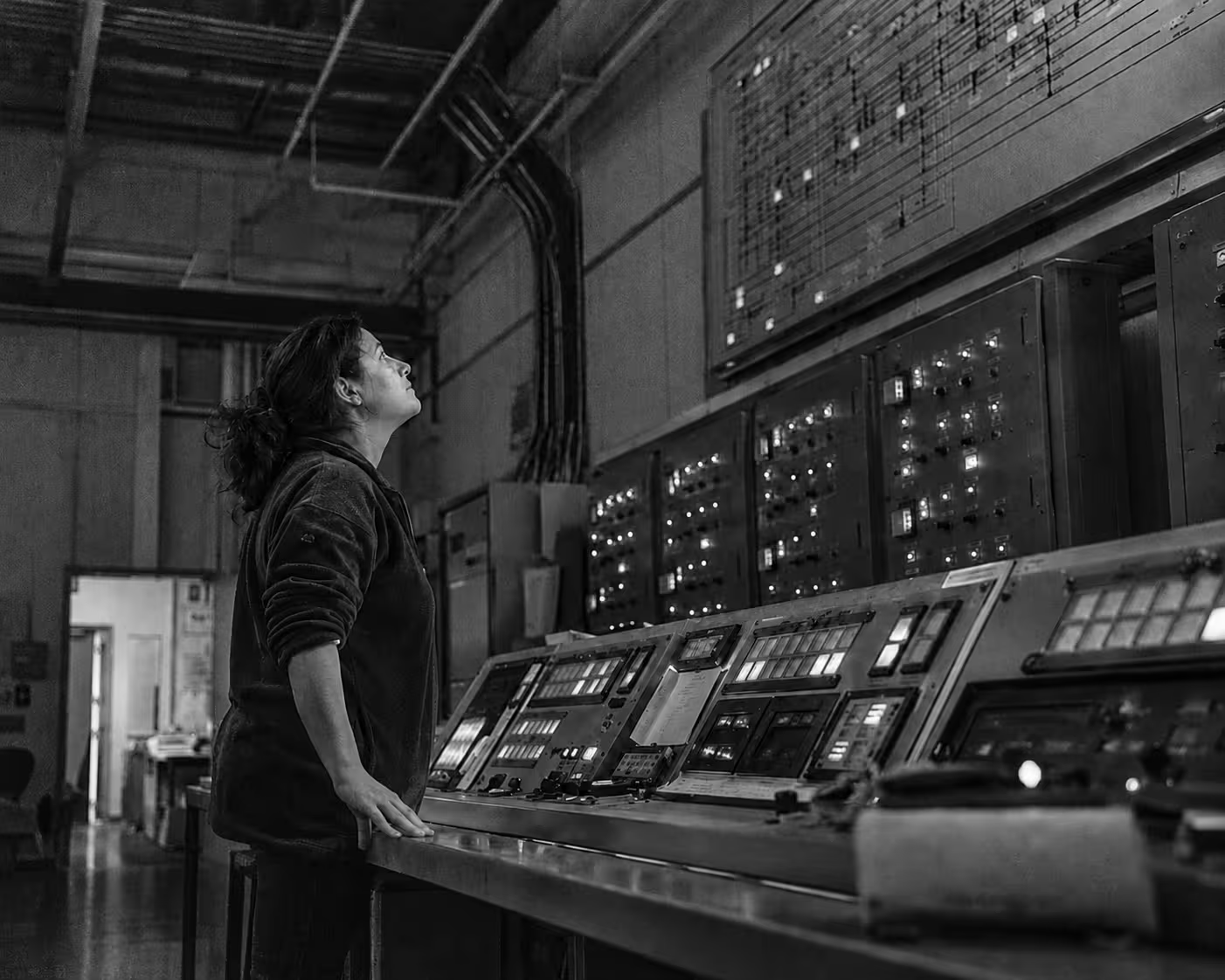
Telemetry That Knows Who to Call
User facilities run around the clock under technicians who are experts in the science, not the network. We are extending our security operations pattern into facility telemetry: it reads across monitoring systems from operational technology to high performance computing, tells the overnight shift what a fault means and who to call, and confirms a multi-day setup is healthy before a shot that lasts milliseconds.
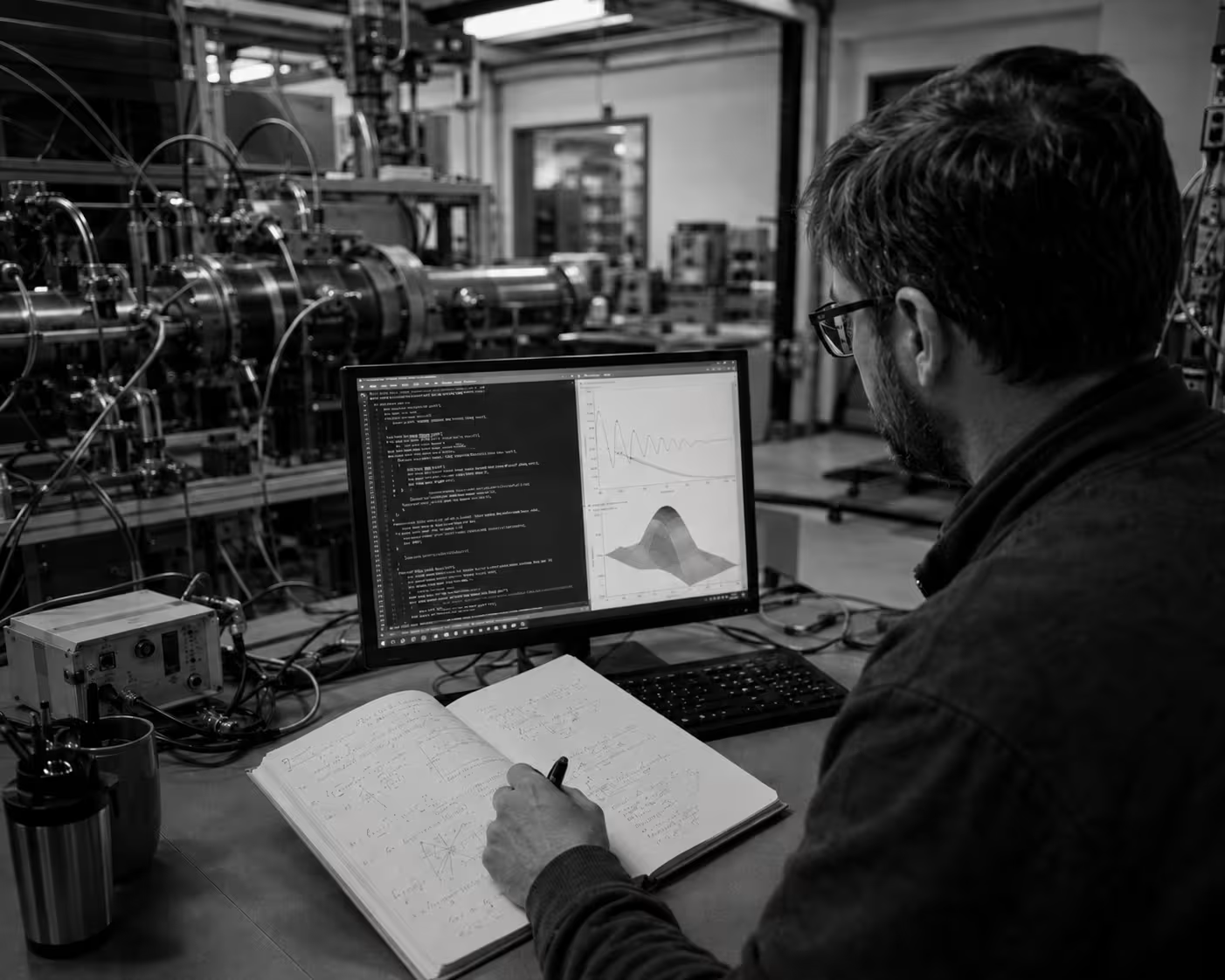
From Concept to Working Code
A researcher works against CUI and sensitive proprietary data, through an API into their own development environment or inside Legion. MATLAB code arrives commented, with the reasoning behind each method and variable choice visible.
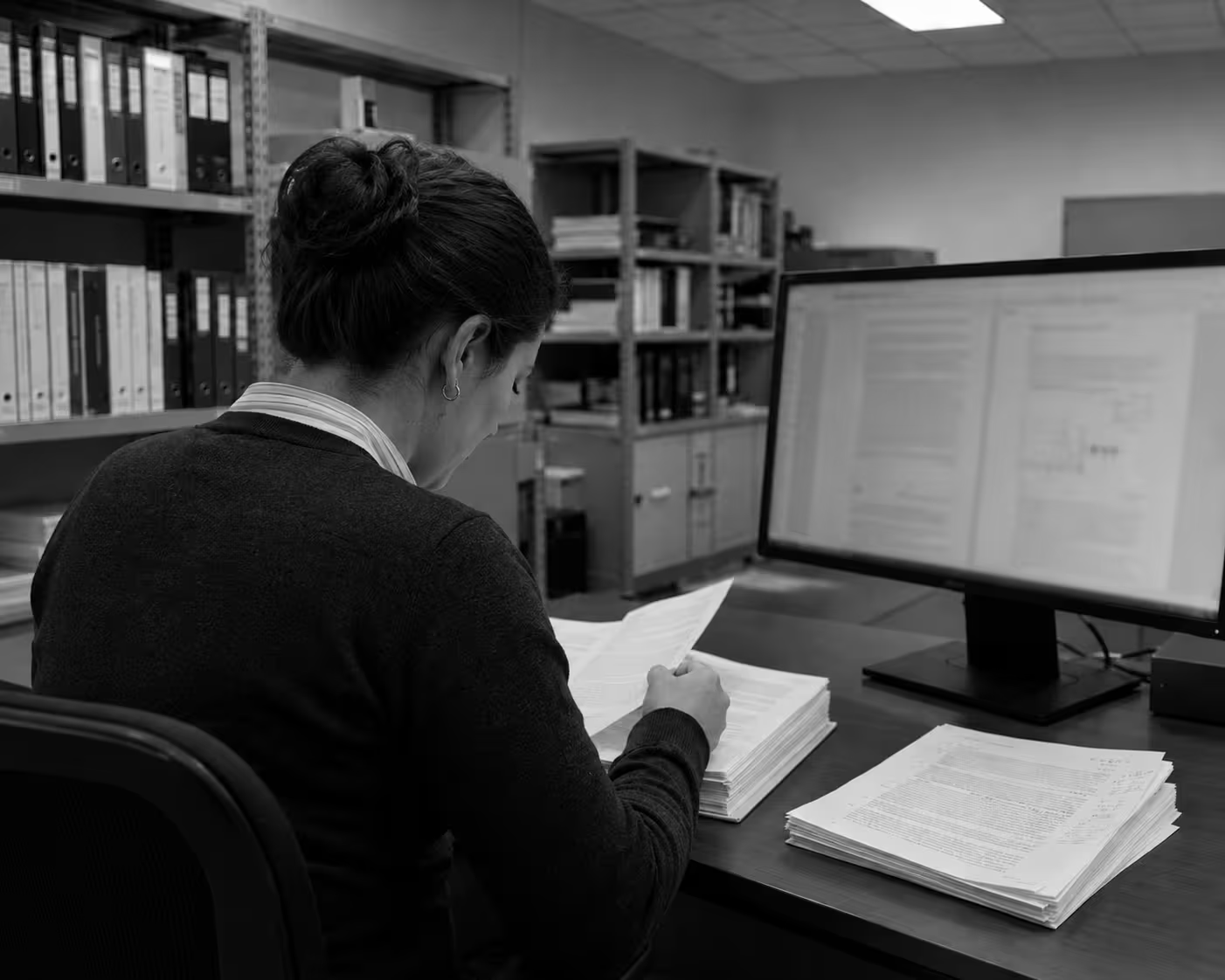
Discovery You Can Cite
A general-purpose tool once returned four papers with plausible titles, authors, and DOIs, none of which existed. Grounded retrieval returns citations that resolve to real papers a researcher can open and read.
80% less follow-on research at a U.S. Department of Energy national laboratory. Work that took a week now runs several times a week.
Built for the People
Who Sign Off on the Work
For the researchers who put their name on the finding, the managers who approve the work, and the security teams accountable for where it runs.
- The institution sets which collections are available and a researcher scopes within them, so results stay bounded by sources the institution trusts.
- The reasoning behind a method stays with the institution rather than with the person who produced it, so it survives turnover and stays reproducible.
- Every approved plan and cited result carries what it was built from and who signed it, so the record exists a year later.
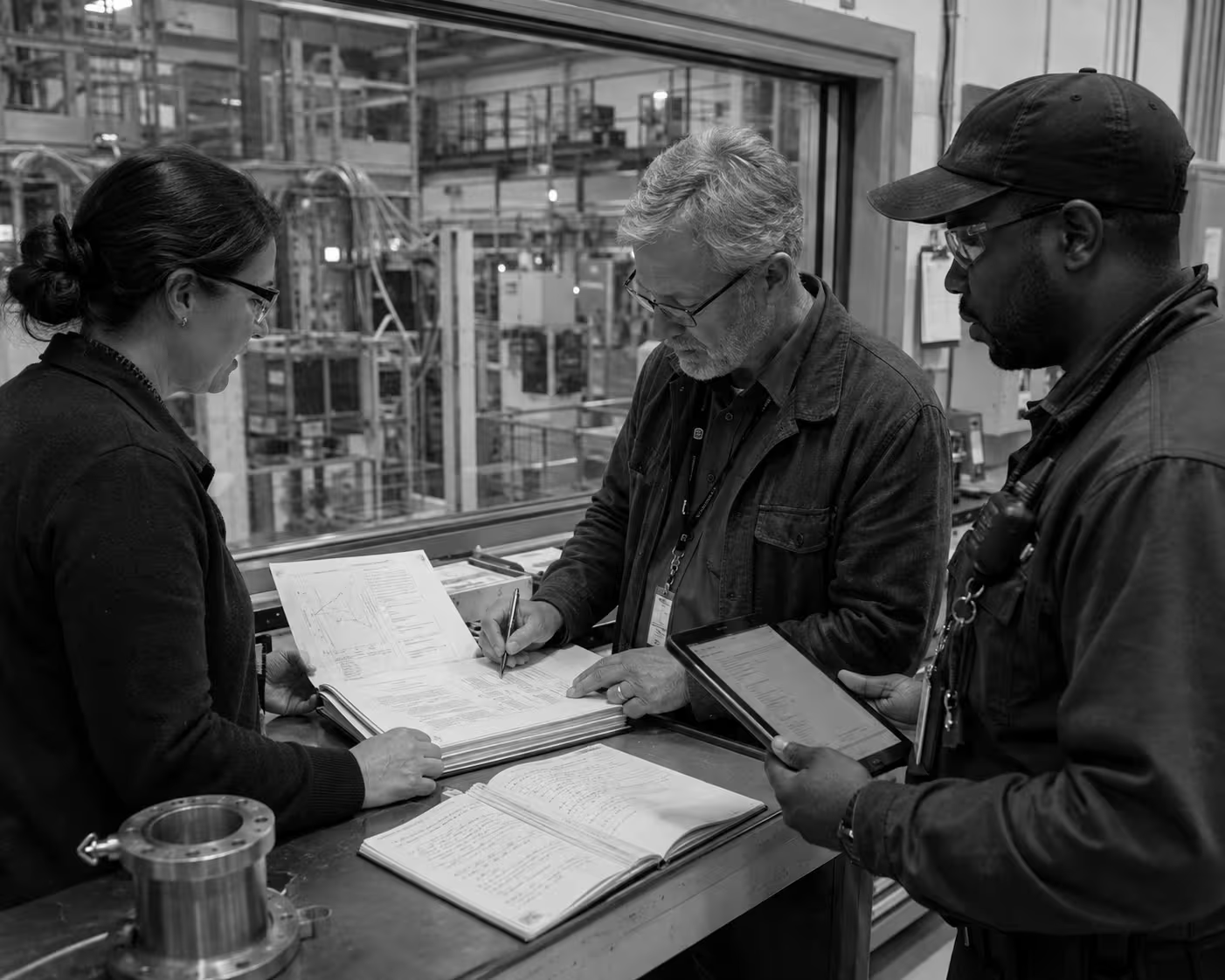
Built for work that gets checked
What a Reviewer Can Verify
Six months after the work is done, someone asks how a result was reached.
Here is what they can still open.

The Source Behind a Claim
Open the citation, read the paper, and confirm it says what the result says it says. If a source cannot be retrieved, it was never cited.

Who Touched the Work, and When
The record shows which people and which agents accessed what, and what they did with it. Nothing rests on someone's memory of the process.

Whether the Right Person Approved
Every approval carries a name and a point in the sequence, so a reviewer can confirm the sign-off happened before the work proceeded, not after.

Runs on compute the laboratory commands
Legion runs inside the accreditation boundary, on premises and fully air-gapped, across unclassified through IL6. Secure cloud runs alongside when the data allows, under FedRAMP High. Data stays in the environment it was deployed into, and models never train on it.


Put agents to work on your research mission
Whether you are standing up a first deployment or extending agents across a laboratory complex, our team has done this work inside the environments you run. Talk to us about where to start.
Reach Out