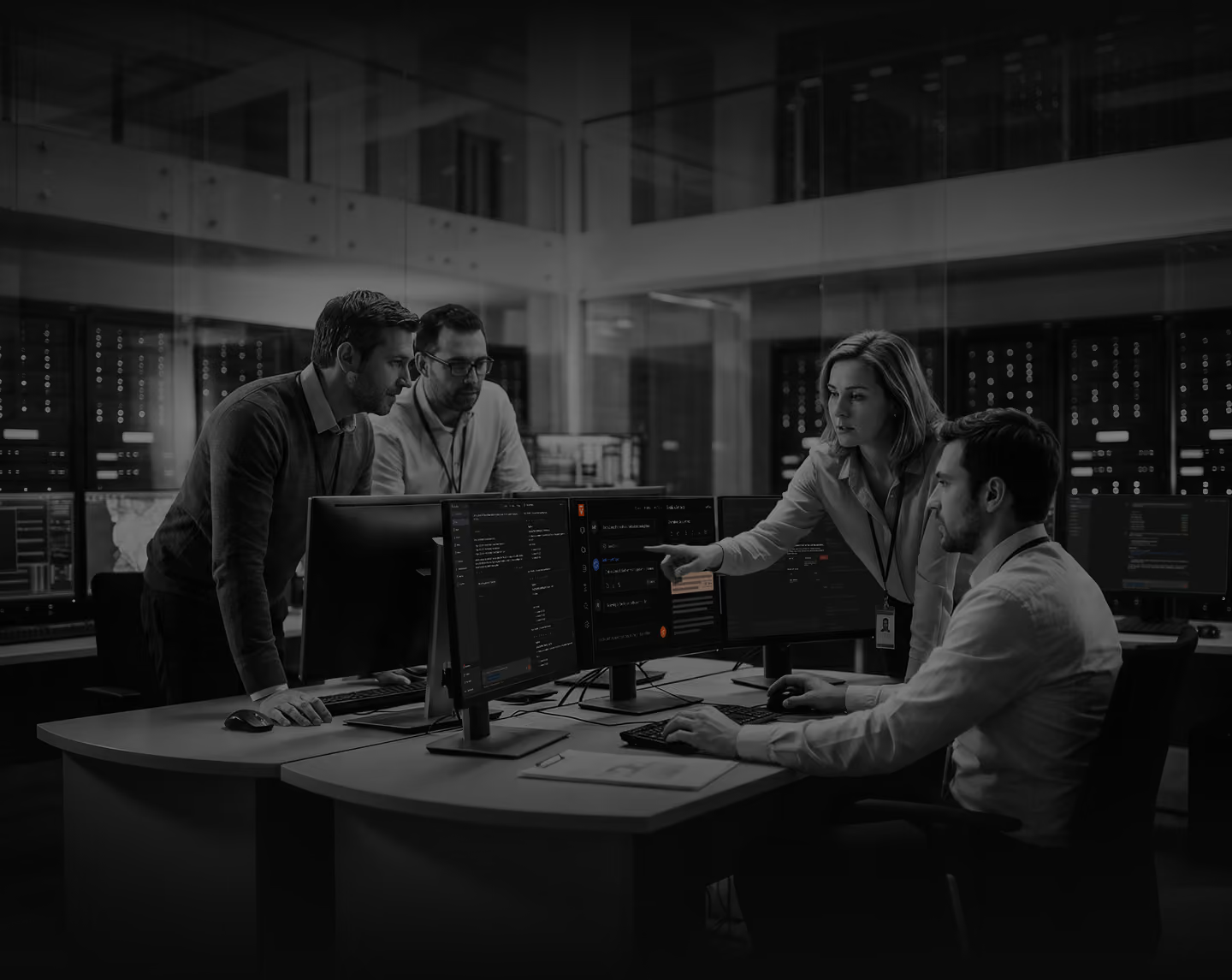
Multiplayer is part of the Legion platform. It deploys wherever Legion deploys: enterprise cloud, on-premises and air-gapped environments, classified networks including SIPR, and Centurion by Legion Intelligence at the disconnected edge. Each deployment is subject to the authorization approved for that environment.


How does Legion Multiplayer work?
The work is the shared thing. You bring in the people and the agents who do it, under access your administrators define, and it keeps the record of every change an agent or person makes. Agents can propose a classification marking. They never set one.
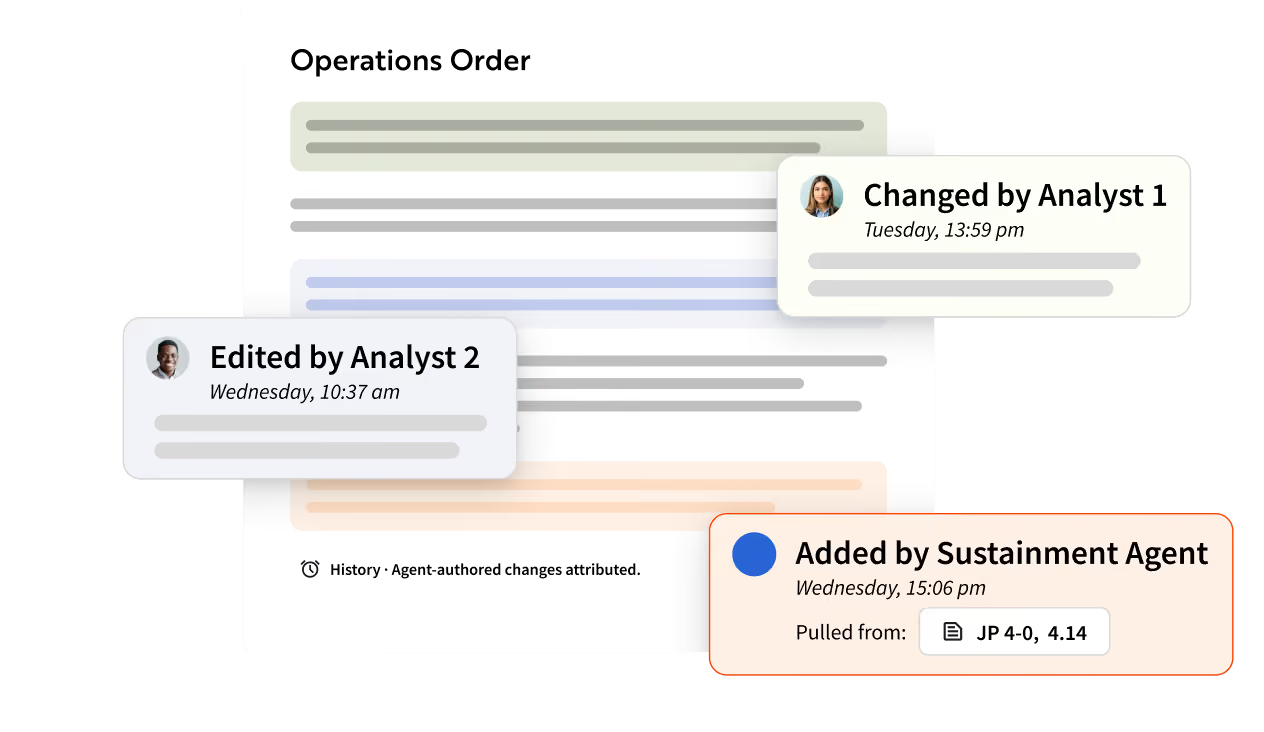
Join the work, not the conversation
People and agents work the same document at the same time, down to the same section. An agent pulls figures from the systems it's been given access to, and every change it makes is attributed to it. Join on day four and you see the work as it stands.
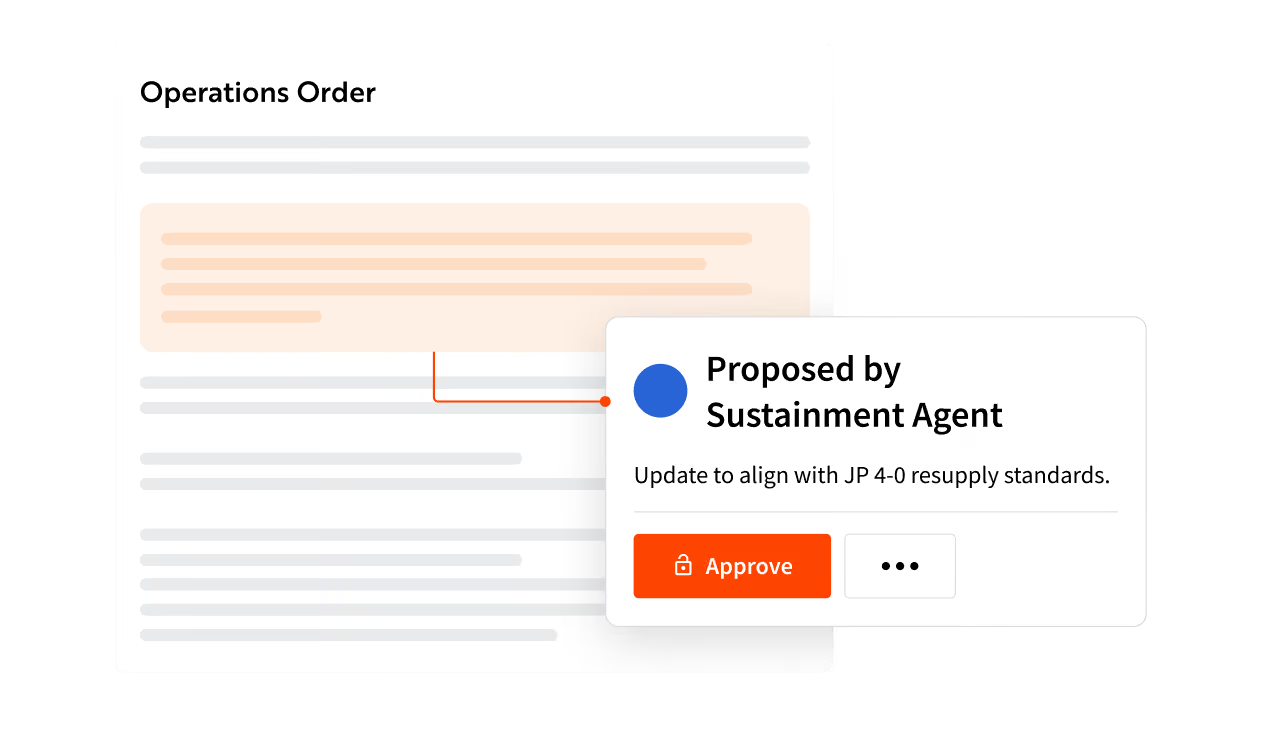
Agents propose. You decide.
Every agent works under a scoped identity, and every change it makes is attributed to it. Gate the steps that need your call and the agent proposes instead of acting: nothing stands until an authorized reviewer accepts it. You decide which steps are gated.
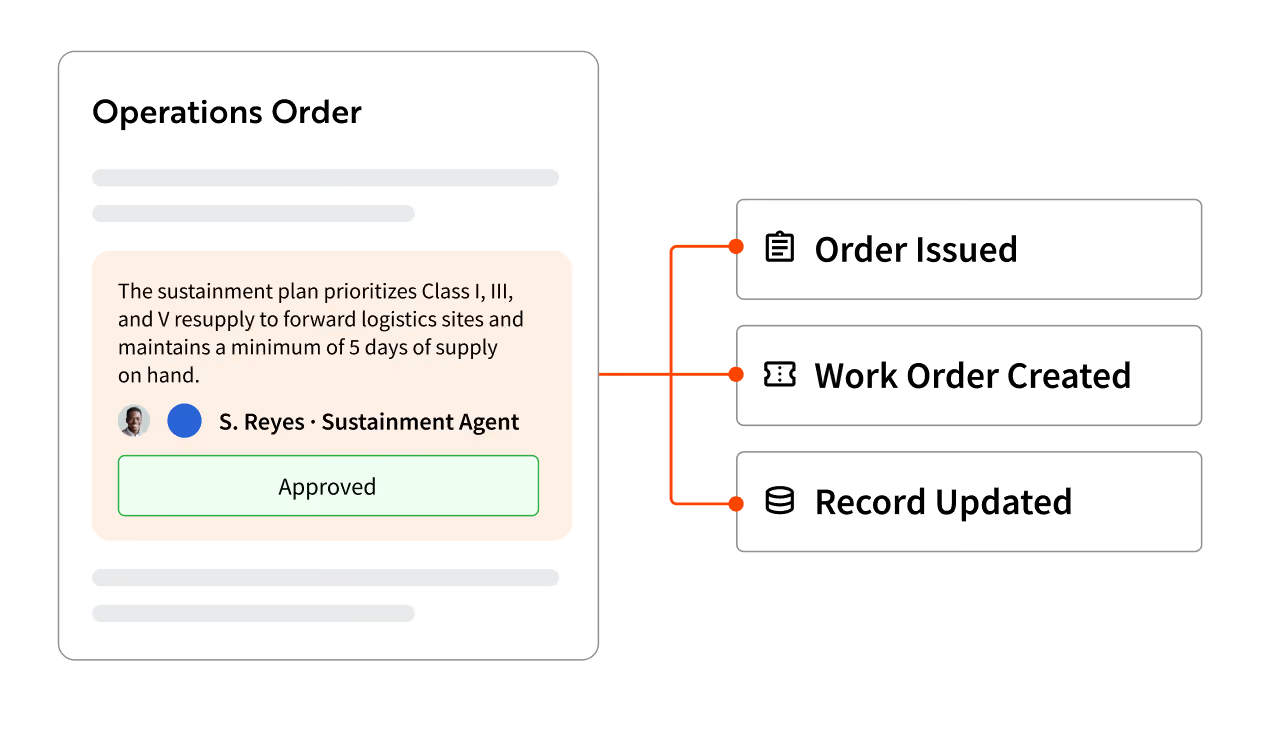
Decisions become action
An approved decision does not stop at the page. It leaves as an order, a ticket, a record update, or a call into a connected system.
How do teams use Multiplayer?
Multiplayer fits recurring work where several roles contribute sections, the source data lives in more than one system, and specified steps need a human to approve.
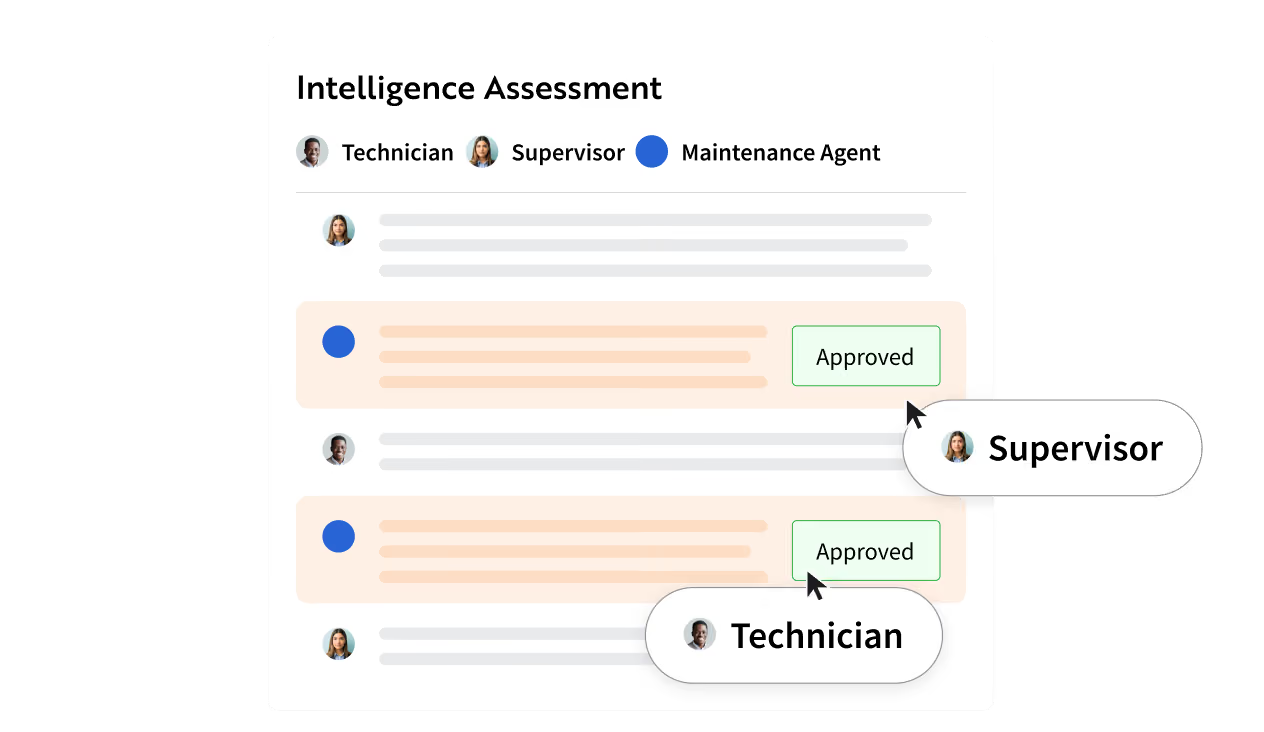
The agent scales the work. The team brings the judgment.
An analyst drafts the assessment while a sourcing agent pulls in material from the systems it has been given access to. Every change it makes is attributed to it, and the analyst decides what holds up. Judgment about a source is the part an agent cannot make for you.
What comes out: an assessment a person stood behind, change by change.
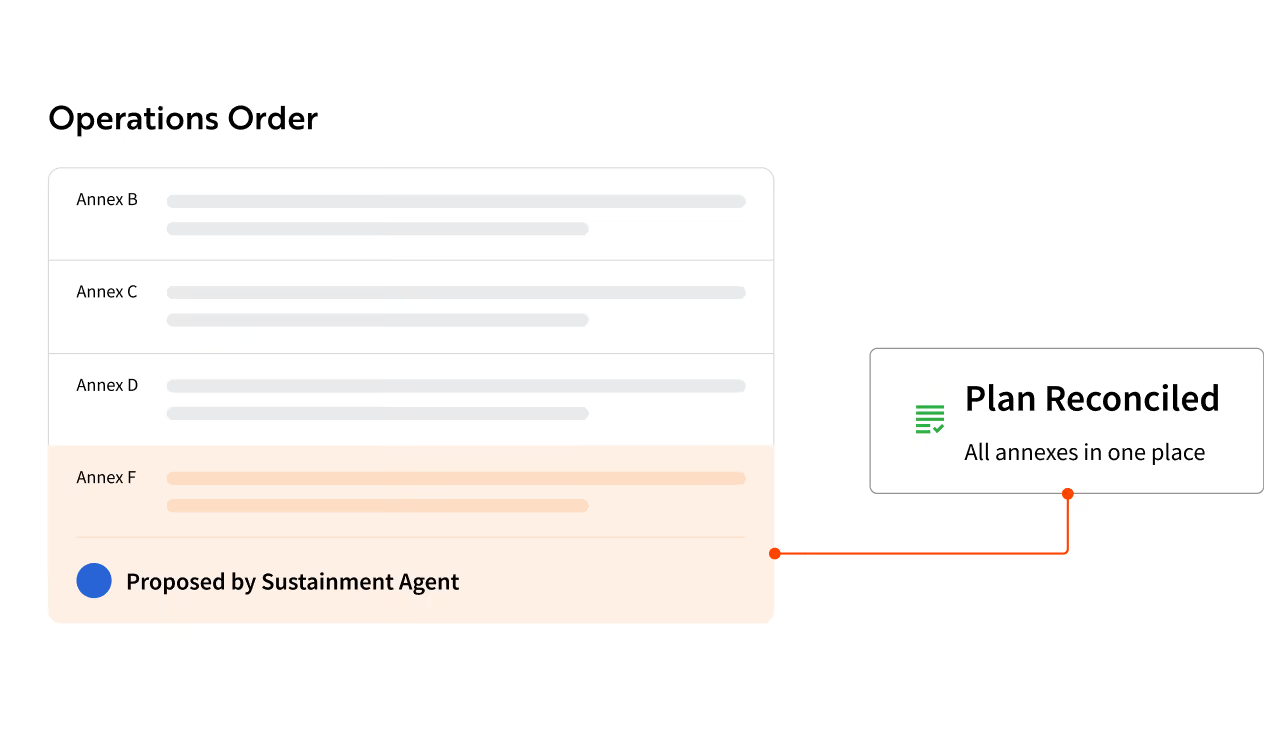
Build the plan in one place
MDMP planning products that used to be drafted apart and stitched together by email are built in the same work. A sustainment agent brings in supporting data from the systems it has been given access to, and the staff reconciles the plan while it is still forming.
What comes out: a plan the staff reconciled in the open, before the deadline.
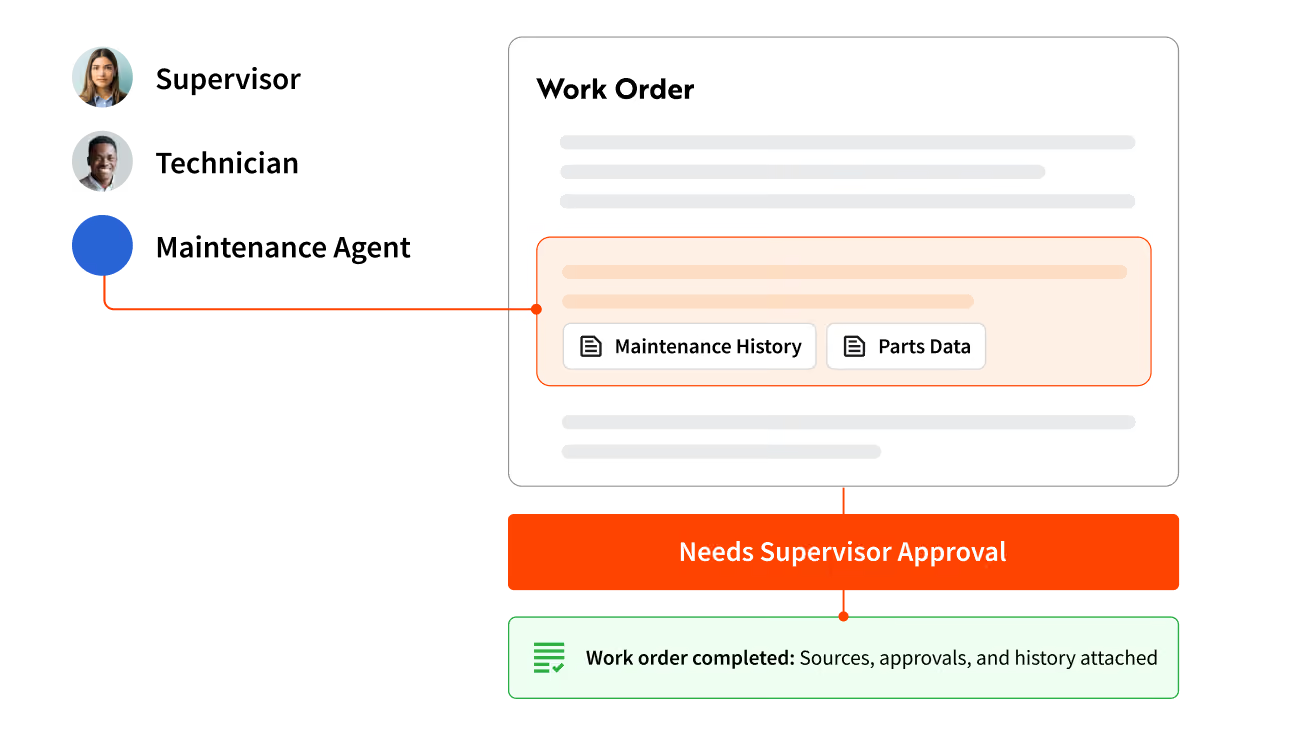
One work order, not an email chain
A supervisor, a technician, and a maintenance agent contribute to the same maintenance work order. The agent pulls maintenance history and parts data into the order, and configured approval steps wait for the supervisor.
What comes out: a completed work order with a history of sources and approvals.

What makes Legion Multiplayer different?
The work is the shared surface. People and agents do it together, and what comes out of it carries its approvals, its sources, and the record of who changed what.

The history stays with the work
A reviewer opens the deliverable and its history in one place: what changed, who changed it, and what has been approved.

Your models, your environment
Legion is model-independent. Your organization chooses which models run in your environment and changes them without rebuilding the work.

Deploys in your environment
Enterprise cloud, on-premises and air-gapped environments, classified networks including SIPR, and Centurion by Legion Intelligence at the disconnected edge, each under that environment's approved controls.

See Multiplayer in your environment.
We will walk through how a recurring staff process runs as one shared artifact, which systems connect first, and what review looks like before sign-off.
Reach OutMore About Legion multiplayer
What is Legion Multiplayer?
Legion Multiplayer is a governed shared work surface in the Legion Intelligence platform where people and AI agents do the same work together. Agent-authored changes are attributed, and approval-gated steps wait for an authorized reviewer.
Can an agent change the document without a human approving it?
Agents can make the changes their assigned access permits, and every change is attributed to the agent in the artifact history. Steps designated as approval-gated work differently: the agent proposes the change, and it does not stand until an authorized reviewer accepts it. Your administrators decide which steps are gated.
What environments does Multiplayer deploy in?
Multiplayer deploys in enterprise cloud, on-premises and air-gapped environments, on classified networks including SIPR, and on Centurion by Legion Intelligence at the disconnected edge. Each deployment is subject to the authorization and access controls approved for that environment.
Does content move between security domains?
Multiplayer deploys inside each domain under that domain's controls. Moving content between security domains follows your existing cross-domain transfer process, and Multiplayer does not bypass it.